Margaret River Wineries for Lunch: the Best Long-Lunch Cellar Doors
The winery lunch is the hinge the whole day turns on. Time it well, in a room that looks over the vines, and everything before it feels like a build-up and everything after feels earned. Time it badly and you spend the afternoon full and flat.
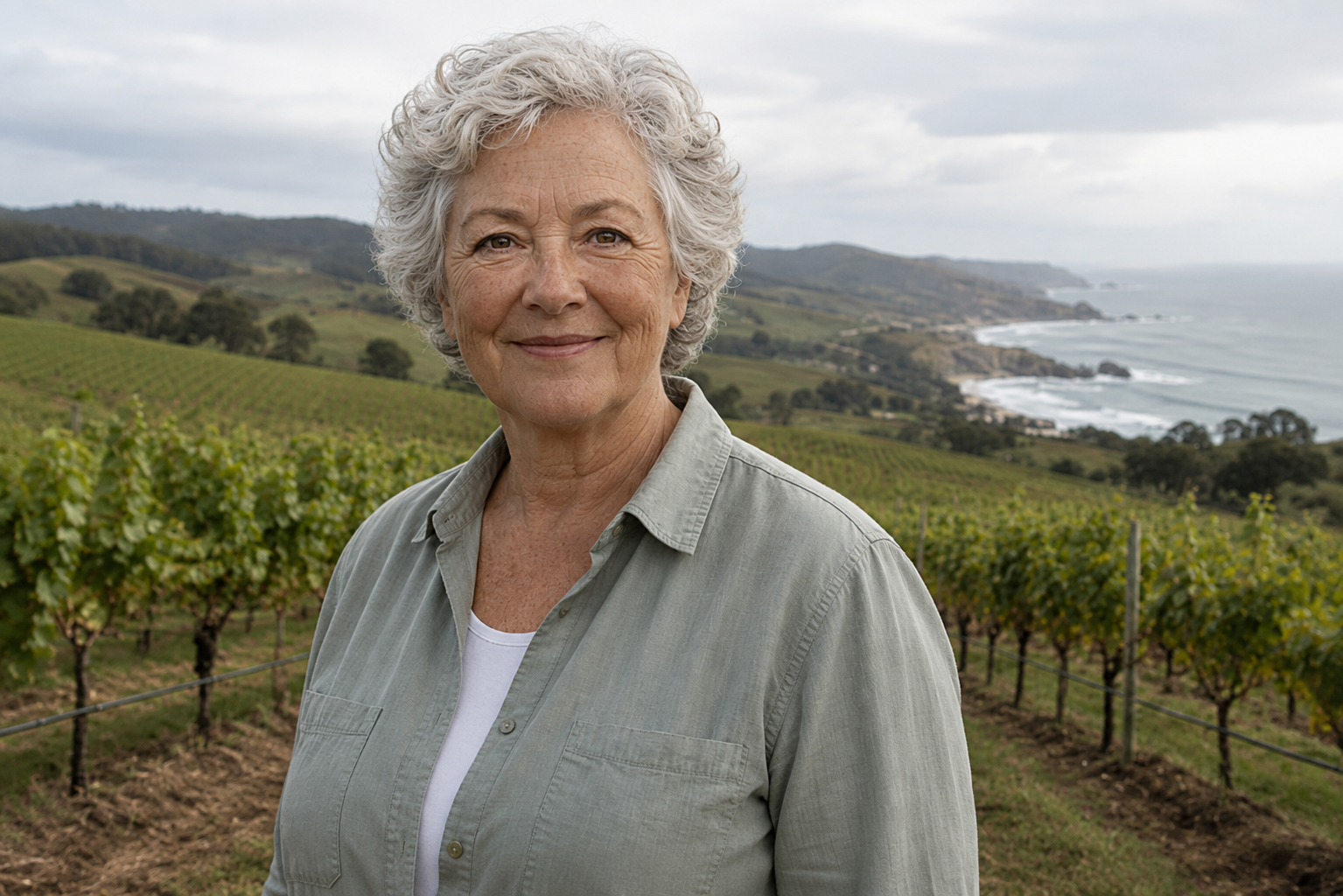 By Helen Walsh, Margaret River wine tour specialist, guiding the region since 2012
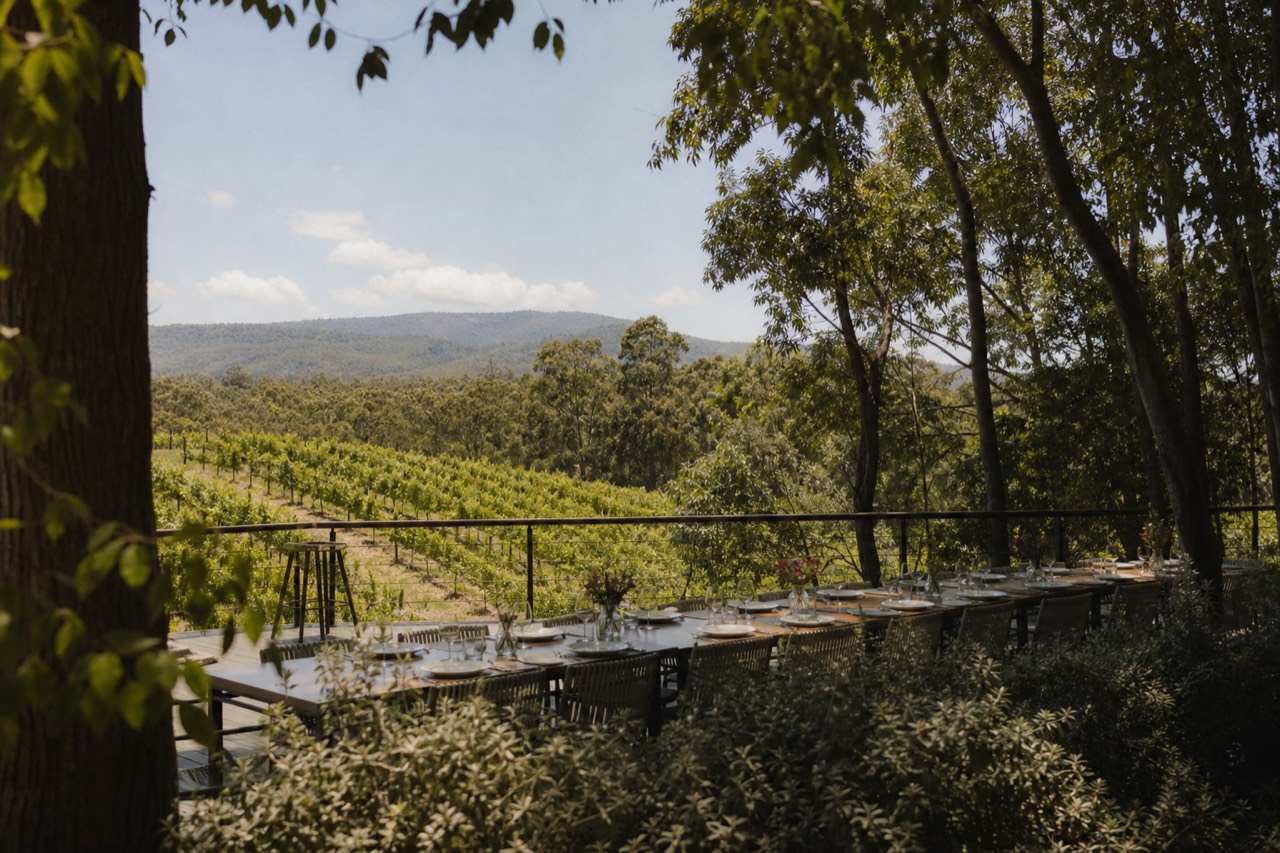
Short answer
The best Margaret River wineries for lunch pair a real kitchen with a view over the vines: Vasse Felix, Leeuwin Estate, Xanadu, Cullen and Voyager Estate among the flagships, plus long-table spots like Glenarty Road. A good long lunch runs one to two hours around midday, and most organised tours build a lunch stop into the route.
Ask anyone who tours the region regularly what they remember, and it is rarely a single wine. It is a table on a terrace at half past twelve, a plate of something local, and the way the afternoon opened up from there. Lunch is not an interruption to a Margaret River tasting day. On the best days it is the centre of gravity, the two hours the rest of the day is arranged around.
Getting that meal right is part venue and part timing. This guide picks out the cellar doors that do lunch best, sorts them by the kind of meal you are after, explains when the lunch stop should land on a tasting day and why that matters more than most people think, and maps which tours fold a proper vineyard lunch into the route. Every venue named is real, and the practical figures come from published sources rather than a wishlist.
Which Margaret River Wineries Are Best for Lunch?
The strongest lunch cellar doors pair a proper kitchen with a view over the vines. Among the flagships, Vasse Felix, Leeuwin Estate, Xanadu, Cullen and Voyager Estate all serve full lunches; for a relaxed long-table meal, Glenarty Road and similar farm-style venues lead. A good winery lunch runs one to two hours around the middle of the day, and most organised tours build one into the route.
The honest answer is that "best for lunch" depends on the day you want. A destination dining room is a two-hour centrepiece; a long communal table is a slow, social graze; a casual estate kitchen is a flexible plate with a glass. The official regional guide lists the full spread of estates that serve lunch, and the strongest kitchens sit with the most awarded wineries, which is no accident.
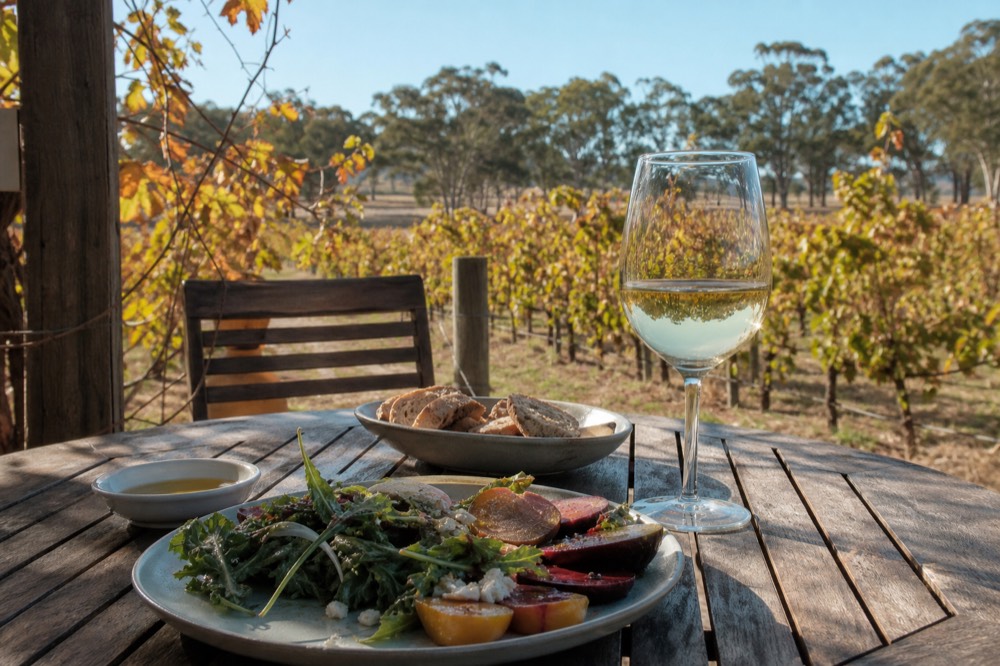
What sorts one venue from another is less the food than the format and the setting. That is why this guide sorts by mood rather than forcing a false ranking. For the wider view of which estates run kitchens at all, the cellar doors with restaurants attached covers the dining side in full; this one is specifically about the midday meal and when it should happen.
What Makes a Good Winery Long Lunch Here
A good long lunch here has three things: food grown close to the plate, the estate's own wine to drink with it, and a view of the vines that filled the glass. The best of them run seasonal menus, so what lands on the table shifts through the year, and they reward booking ahead over turning up hopeful at one o'clock.
The region earned its lunch reputation because the produce is as good as the wine. This is a food basket as much as a wine list: olives and estate-pressed oil, farmhouse cheese, marron from the local waters, free-range meat and garden vegetables, all within a short drive of any table. When an estate cooks from that larder and pours its own bottle beside it, the meal does something a city restaurant cannot copy, because the whole chain is visible out the window.
That local larder is also why the pairings work so easily. A crisp Semillon-Sauvignon Blanc blend sits naturally beside fresh marron or a goat's cheese; a structured Wilyabrup Cabernet earns its place next to slow-cooked lamb; and a cool-climate Chardonnay carries roast vegetables from the kitchen garden without a fight. The kitchens here lean into those matches rather than reaching for imported flourishes, so a two-course lunch reads like the region on a plate. That is the quiet difference between eating at a winery and eating anywhere else, and it is the reason so many visitors rate the meal above any single wine they tasted. The ranked cellar doors worth touring around covers the wine side; the food is what turns a tasting run into a day out.
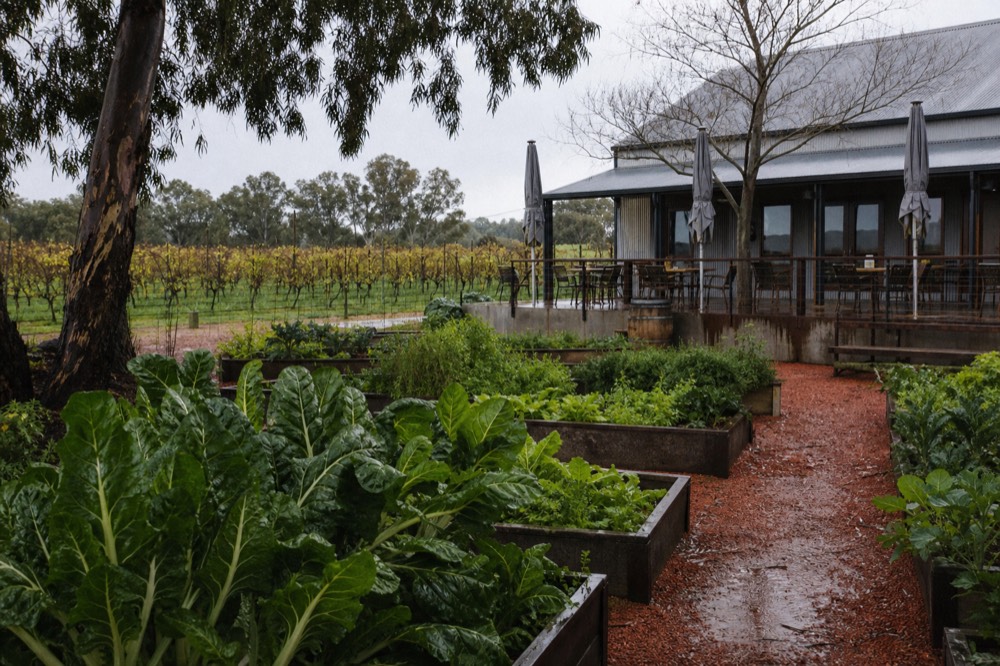
The seasonal side is worth understanding before you book. A menu built around what is ripe means a March lunch and an August lunch are different meals, and some kitchens shorten their hours or close a day or two midweek in winter. The best time to visit the region covers the seasonal rhythm; the short version for lunch is that autumn, from March to May, hits the sweet spot of harvest produce, mild weather and thinner crowds.
| Lunch style | What lands on the table | Time to allow | Best suited to |
|---|---|---|---|
| Destination dining room | À la carte or tasting menu, estate pairings | 2 to 3 hours | A special-occasion centrepiece |
| Long-table farm lunch | Shared, seasonal, garden-grown plates | 2 hours plus | Food-led groups, slow days |
| Casual estate kitchen | Relaxed plates with a glass, terrace seating | 1 to 1.5 hours | A flexible midday stop |
| Cellar-door graze | Cheese, charcuterie, dips at the bench | 45 min to 1 hour | A light break between tastings |
The Best Lunch Spots by Mood
Match the venue to the day. For a view-led occasion, Leeuwin Estate, Vasse Felix and Voyager Estate deliver dining rooms that look straight over the vines. For a slow, social meal, Glenarty Road's long tables and similar farm kitchens are the pick. For a flexible plate between tastings, casual estate kitchens and cellar-door platters keep the day moving.
Start with what you actually want from the middle of the day. A couple marking an anniversary wants a proper dining room and a wine list; a group of friends wants a long table and shared plates; a family with restless kids wants somewhere relaxed with room to move. The venues are genuinely different in feel, and choosing by mood beats chasing the single most famous name.
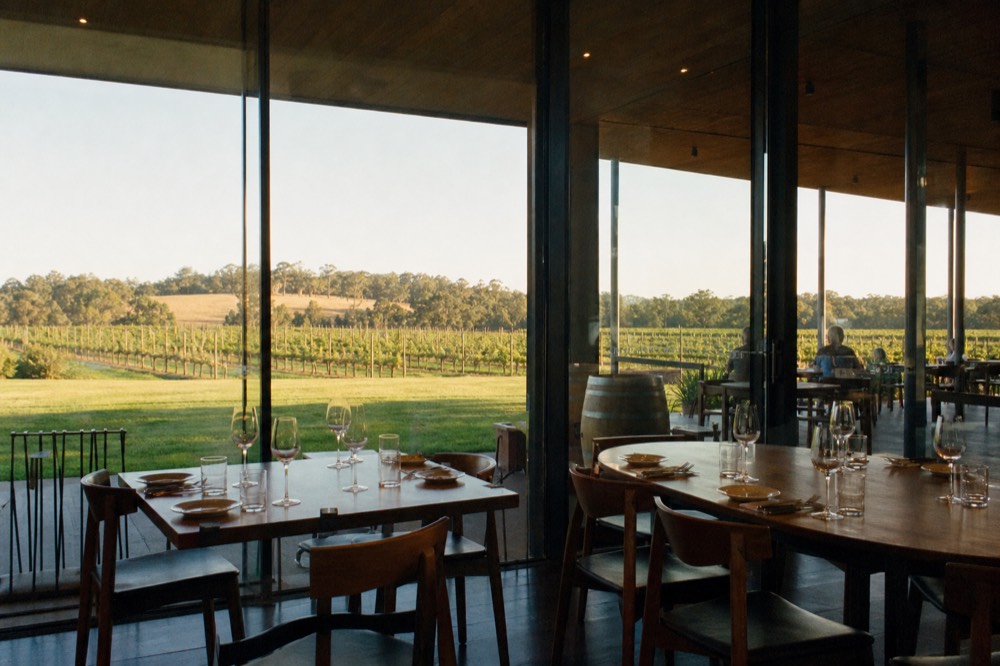
The boutique end deserves its own mention, because a lunch off the marquee trail can be the highlight of a return trip. A day that includes a guided blind tasting and works through smaller cellar doors, with lunch included, keeps the meal relaxed and the makers personal rather than polished. That format suits people who have already done the flagship dining rooms and want the food closer to the source, which is the territory the organic and boutique cellar doors map out in full.
| If you want | Look at | Why |
|---|---|---|
| A view over the vines | Leeuwin Estate, Vasse Felix, Voyager Estate | Dining rooms built for the outlook |
| A slow, social long table | Glenarty Road, farm-style kitchens | Shared, seasonal, casual pace |
| Garden-to-plate cooking | Cullen | Biodynamic estate, kitchen-garden menu |
| A flexible midday plate | Casual estate kitchens, cellar-door platters | Walk-in-friendly, quicker |
| Boutique and off the trail | Smaller makers, included tour lunches | Personal, less polished, fewer crowds |
When Lunch Should Land on a Tasting Day, and Why It Matters
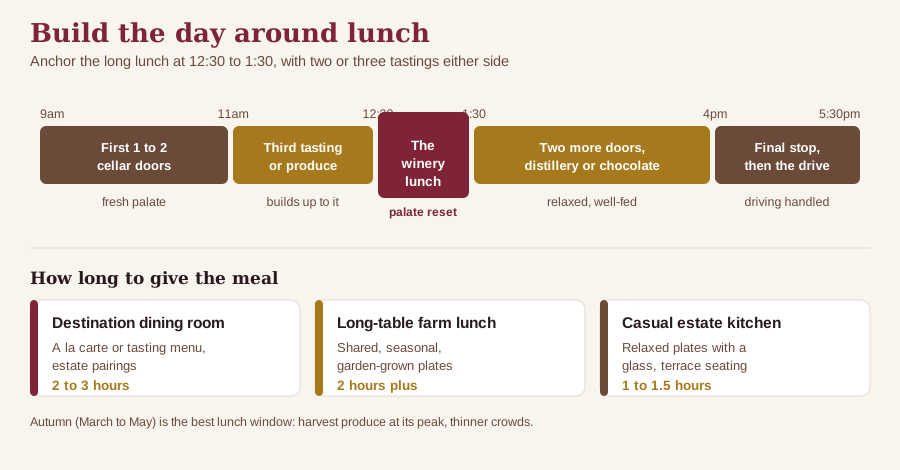
Lunch works best around 12:30 to 1:30pm, after two or three morning tastings and with two or three still to come. Placed there, it breaks the day, resets the palate, and gives everyone time for food and water between visits. Too early and you have nothing to build on; too late and the morning flights have already flattened your appetite and your palate.
This is the part self-planners most often get wrong, and it is where a guided day quietly earns its fee. Tasting flights accumulate. By the third cellar door of a morning, a proper meal is not a luxury, it is what keeps the afternoon enjoyable. A guide who runs the route weekly knows exactly when the group needs to sit down, and books the table to match, so the meal lands when appetite and energy line up rather than at whatever hour you happen to arrive.
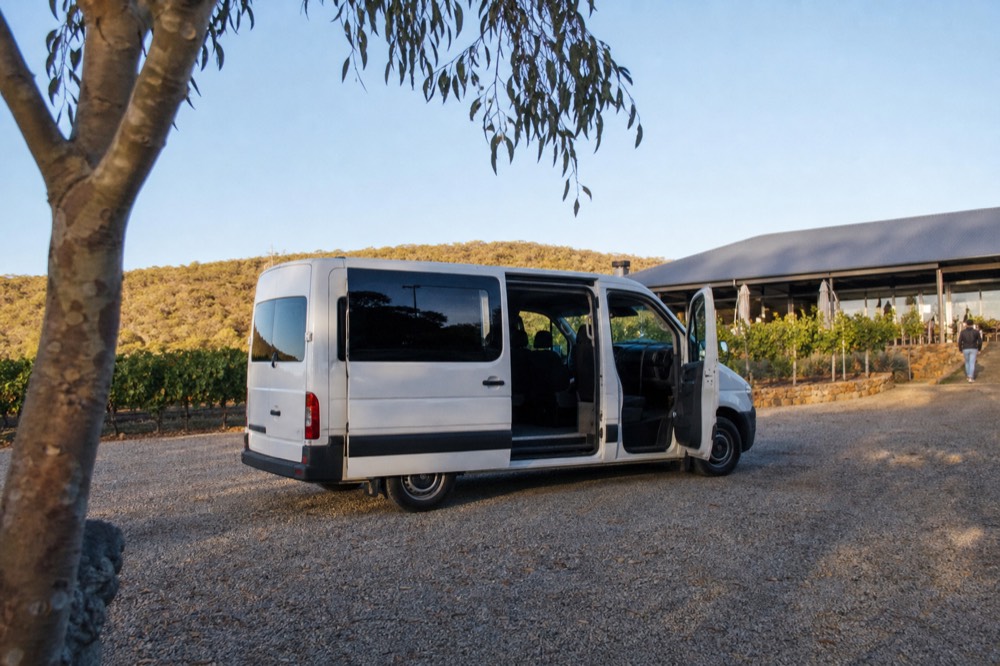
Timing also ties straight to the drink-driving question, which is the strongest practical reason to hand over the keys. Western Australia's full-licence blood-alcohol limit is 0.05, and it drops to zero for learner and provisional drivers, per the WA Road Safety Commission. A tasting flight is several 30 to 50 millilitre pours, and a long lunch adds a glass or two more. Put a morning of flights and a lunch with wine together and a self-drive afternoon stops being sensible. On a tour, the meal and the wine are simply part of the day.
| Time of day | On a typical tour | Why it works |
|---|---|---|
| 9 to 11am | First one or two cellar doors | Fresh palate, sharper mornings |
| 11am to 12:30pm | A third tasting or a produce stop | Builds toward the meal |
| 12:30 to 1:30pm | The winery lunch | Resets palate, provides a meal break |
| 1:30 to 4pm | Two more doors, a distillery or chocolate stop | Relaxed, well-fed afternoon |
| 4 to 5:30pm | Final stop and the drive back | Winding down, driving handled |
Booking, Cost and Dietary Needs
Budget roughly A$40 to A$80 a head for a casual estate lunch with a glass, and A$120 or more for a destination tasting menu with pairings. Book the flagship dining rooms ahead, especially weekends, holidays and through summer. Most kitchens handle common dietary needs with notice. On an organised tour, the lunch is usually included and the booking is handled for you.
The cost side is straightforward once you know the paid-tasting norm. Cellar-door flights run A$10 to A$20 standard, often waived on purchase, and lunch sits on top of that. The figures move with the estate and the season, so the regional visitor information is the place to confirm menus, prices and opening days, since some kitchens run lunch only and some close midweek in the cooler months.
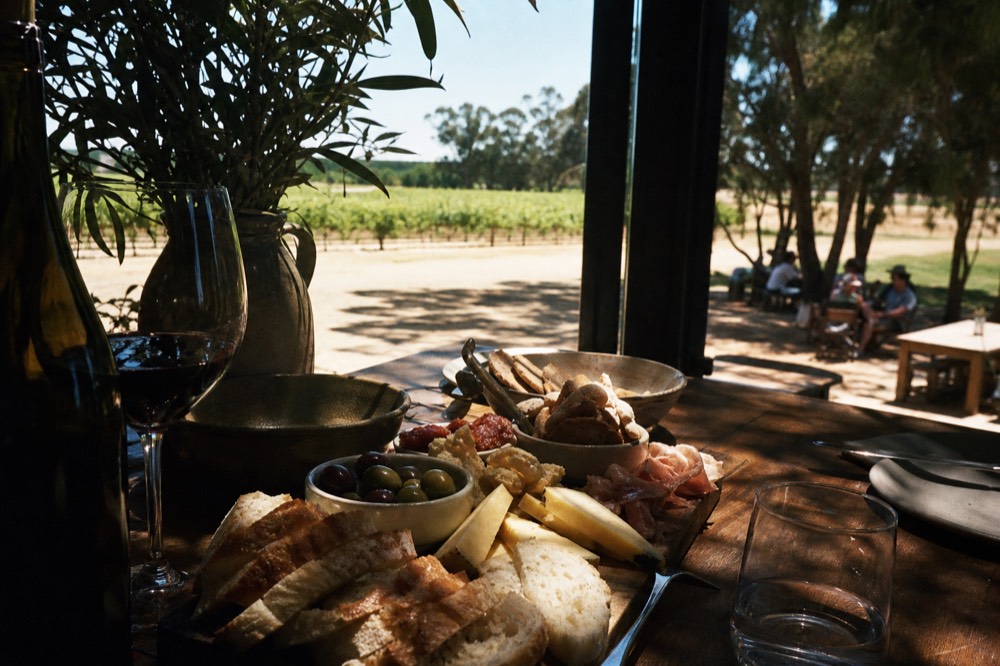
Booking is where the flagship rooms catch people out. They fill on weekends and through the busy summer and holiday periods, so a walk-up at one o'clock is a gamble in season. Dietary needs are generally well handled given notice, which is easier to arrange in advance than on the day. This is another quiet argument for a guided day: the operator holds the table, times the arrival, and passes on dietary requests, so the meal is sorted before you set out.
| Spend per head | What it buys | Booking | In season |
|---|---|---|---|
| A$10 to A$20 | Tasting flight before lunch | Walk-in usually fine | Often waived on purchase |
| A$40 to A$80 | Casual estate lunch with a glass | Recommended weekends | Terrace or long-table style |
| A$120+ | Destination tasting menu with pairings | Essential, days ahead | The centrepiece of a day |
| Tour price | Lunch usually included | Handled by the operator | Booking and timing sorted |
Which Tours Build in a Vineyard Lunch Stop?
Most organised full-day tours include lunch, but the meal ranges from a platter to a proper sit-down. Boutique days such as the featured blind-tasting circuit include a relaxed lunch; food-led days centre a two-course meal with a glass; a small-group day pairs award-winning cellar doors with a brewery lunch; and family-friendly days build in a farm or olive-farm lunch.
Here is the honest read, because "lunch included" hides a lot of variety. A boutique day keeps the meal casual and the cellar doors small. A food-first day makes the lunch a highlight, with produce tastings around it. A small-group day might swap the winery dining room for a brewery lunch, which suits mixed groups where not everyone is a wine drinker. And a family day leans into an olive-farm lunch with animals to keep children happy.
Group size shapes the meal. Shared minibus days usually cap around 8 to 13 passengers, so lunch is a set menu at a venue that can seat the group, while smaller premium and private days can slot into a flagship dining room. Pickups matter too: most days collect from Margaret River town, Cowaramup, Dunsborough or Busselton, so where you stay shapes which lunches are practical. A family-friendly day that pairs boutique tastings with an olive-farm lunch and farm animals is one of the most-reviewed formats in the region for exactly that reason.
| Tour | Lunch on the day | Vibe | Duration |
|---|---|---|---|
| Waves of Wine Boutique | Lunch included, relaxed | Boutique, blind tasting | 6 hours |
| Wine and Food Lovers | Two-course lunch with a glass | Food-led, produce tastings | 9 hours |
| Hidden Gems of Margaret River | Italian lunch at an olive farm | Family-friendly, farm animals | 7 hours |
| Tannin Road Winery Tour | Lunch at a local brewery | Small group, mixed drinkers | 6.5 hours |
| Harvest Full-Day Wine Tour | Two-course lunch included | Classic, balanced | 9 hours |
For the boutique and food-led days without a listed number, the current price sits on the live listing rather than in a table like this, so check it there before you book.
Lunch by Season, and How to Plan the Day Around It
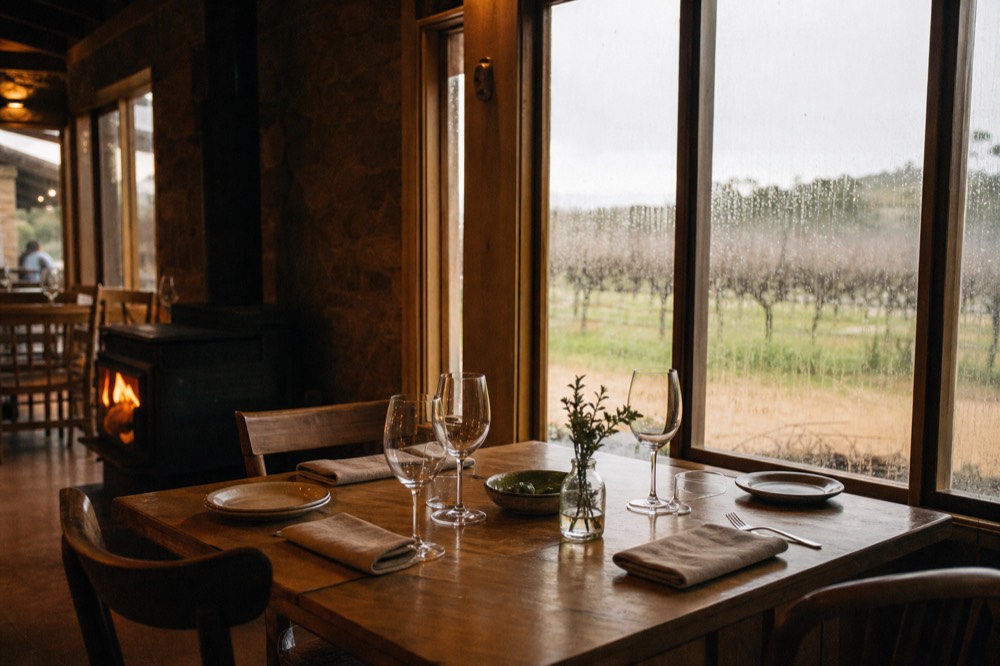
In summer, from December to February, lunch is a terrace affair, best booked early before the busy midday rush. In autumn, March to May, harvest produce is at its peak and crowds thin out, which is the region's best window for a long lunch. Winter, June to August, turns lunch cosy and fireside, with some kitchens on shorter hours. Pick the season, then build the day around one good meal.
Season changes the meal more than most visitors expect. A summer lunch is bright, busy and outdoors, and it pays to book the popular terraces ahead. An autumn lunch catches the fruit at its freshest with fewer people around, which is why regulars favour March. A winter lunch trades the terrace for a fire and a heartier menu, and it is the value season, though you should check opening days before you set out.
Whatever the season, the planning rule holds: choose one meal that matters, place it in the middle of the day, and space two or three tastings and a produce stop around it. Two big lunches is one too many. Water between flights keeps the palate alive, and treating the food stops as part of the point rather than filler is what separates a good day from an exhausting one.
| Season | Lunch character | Crowds | Watch for |
|---|---|---|---|
| Summer (Dec to Feb) | Terrace, bright, alfresco | Busiest, book early | Midday heat, full dining rooms |
| Autumn (Mar to May) | Harvest produce at its peak | Thinner, relaxed | The region's best lunch window |
| Winter (Jun to Aug) | Cosy, fireside, heartier menus | Quietest, best value | Shorter hours, midweek closures |
| Spring (Sep to Nov) | Warming, garden produce returning | Building | Variable weather |
How to Lock in a Long-Lunch Day
Pick one venue that matters, book it, and let a driver connect it to two or three tastings on either side. Place the meal around 12:30 to 1:30pm, keep the pace unhurried, and treat a produce or chocolate stop as a palate rest rather than filler. Handing over the driving is what lets everyone at the table have the glass with lunch.
The best long-lunch days are simple: one good meal, well-timed, with tastings spaced around it and water in between. Trying to squeeze a second big sit-down or a sixth cellar door in only means racing the afternoon on a full stomach. Go deep on one lunch and three or four rooms rather than skimming the region, and let the meal be the thing you remember.
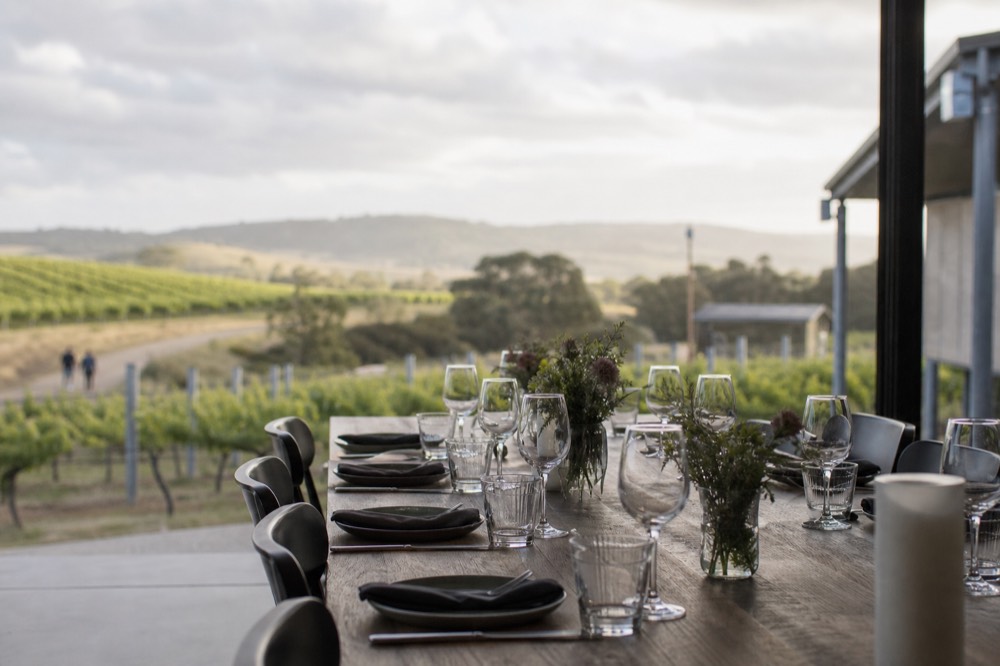
Whichever venue you choose, a planned long-lunch day beats a wandered one, and the driving is the part worth handing over. That is the plain reason the region's guided wine days exist, and why a driver who books these tables weekly will time the meal better than you can cold. When you are ready to lock a date, a boutique day with lunch built in is the easy first pick.
Common Questions
Which Margaret River winery is best for lunch?
It depends on the day you want. For a view-led dining room, Leeuwin Estate, Vasse Felix and Voyager Estate lead. For a slow long-table meal, Glenarty Road and similar farm kitchens are the pick. Cullen stands out for garden-to-plate cooking. There is no official ranking, so match the venue to your group's mood.
What time should you have lunch on a wine-tasting day?
Around 12:30 to 1:30pm works best, after two or three morning tastings and with two or three still to come. Placed there, the meal resets your palate and provides a meal break between visits. Too early leaves nothing to build on; too late and the morning has already flattened your appetite.
Do Margaret River wine tours include lunch?
Most full-day tours do, though it ranges from a platter to a proper sit-down. Boutique days include a relaxed lunch, food-led days centre a two-course meal with a glass, some small-group days serve a brewery lunch, and family-friendly days build in a farm or olive-farm lunch. Check what each tour includes before booking.
How much does a winery lunch cost in Margaret River?
Roughly A$40 to A$80 a head for a casual estate lunch with a glass, and A$120 or more for a destination tasting menu with pairings. Cellar-door tasting fees of A$10 to A$20 sit on top, often waived on purchase. On an organised tour, lunch is usually included in the price. Australia does not run on tipping.
Do you need to book a Margaret River winery for lunch?
For the flagship dining rooms, yes, especially on weekends, holidays and through summer. Casual kitchens and long-table venues are sometimes fine for walk-ins midweek, but booking is safer. On a guided day the operator holds the table and times your arrival, so the booking is handled for you.
When is the best season for a long winery lunch?
Autumn, from March to May, hits the sweet spot: harvest produce at its peak, mild weather and thinner crowds than summer. Summer lunches are bright but busy, and best booked early. Winter turns lunch cosy and fireside and offers the best value, though some kitchens run shorter hours.
Choose Your Wine Experience
Have your travel date in mind? Enjoy Leeuwin’s art, a tutored wine flight and a three-course restaurant lunch. Check your date before arranging the rest of your day.
Leeuwin Wine And Food ExperienceMeet at Leeuwin Estate; arrange your own transport. Allow three and a half hours. Minimum age 18.
Choose a date to see Viator’s scheduled departures. Final availability and price are confirmed on Viator.
Tailor This Choice And Compare Options
Initial editorial choice. Adjust these options to compare the listed experiences; confirm your exact pickup and suitability when booking.
Leeuwin Seven-Course Experience · 5 hours. Combine an estate and gallery tour with seven courses and matched wines. Meet at Leeuwin Estate; transport not included. Allow five hours. Minimum age 18.
Harvest Food And Wine · 9 hours. Vineyard and barrel-room experiences with a two-course lunch and a glass of wine. Allow nine hours. Brewery drinks extra; distant pickups may have a levy. No Contos or Hamelin Bay pickup.