Organic Wineries in Margaret River: Biodynamic and Boutique Cellar Doors
The famous names get the coaches and the awards. The organic and boutique makers get the growers who wander out from the shed still wearing their vineyard boots. If you want the version of Margaret River that feels handmade, this is where to point the day.
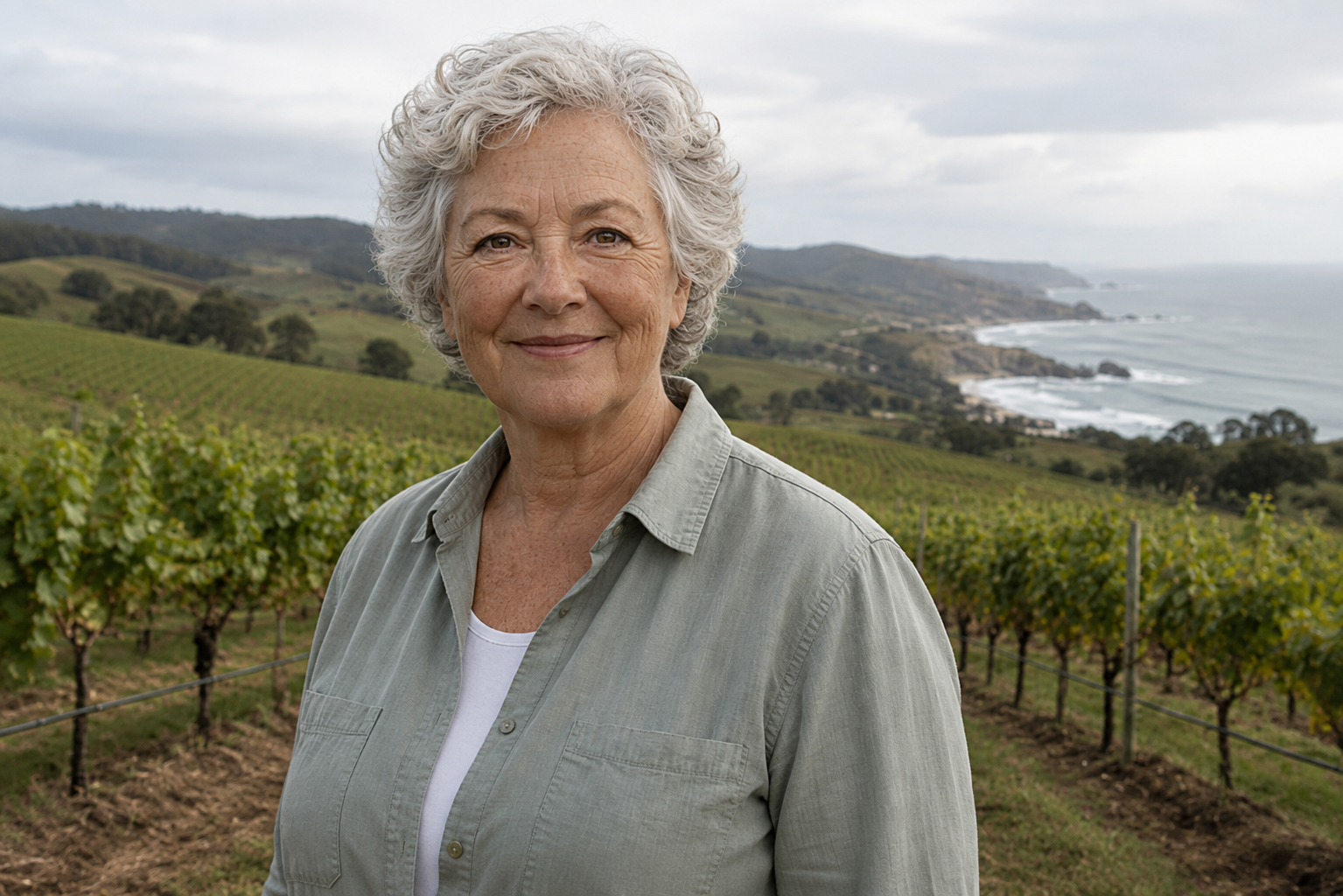 By Helen Walsh, Margaret River wine tour specialist, guiding the region since 2012
Short answer
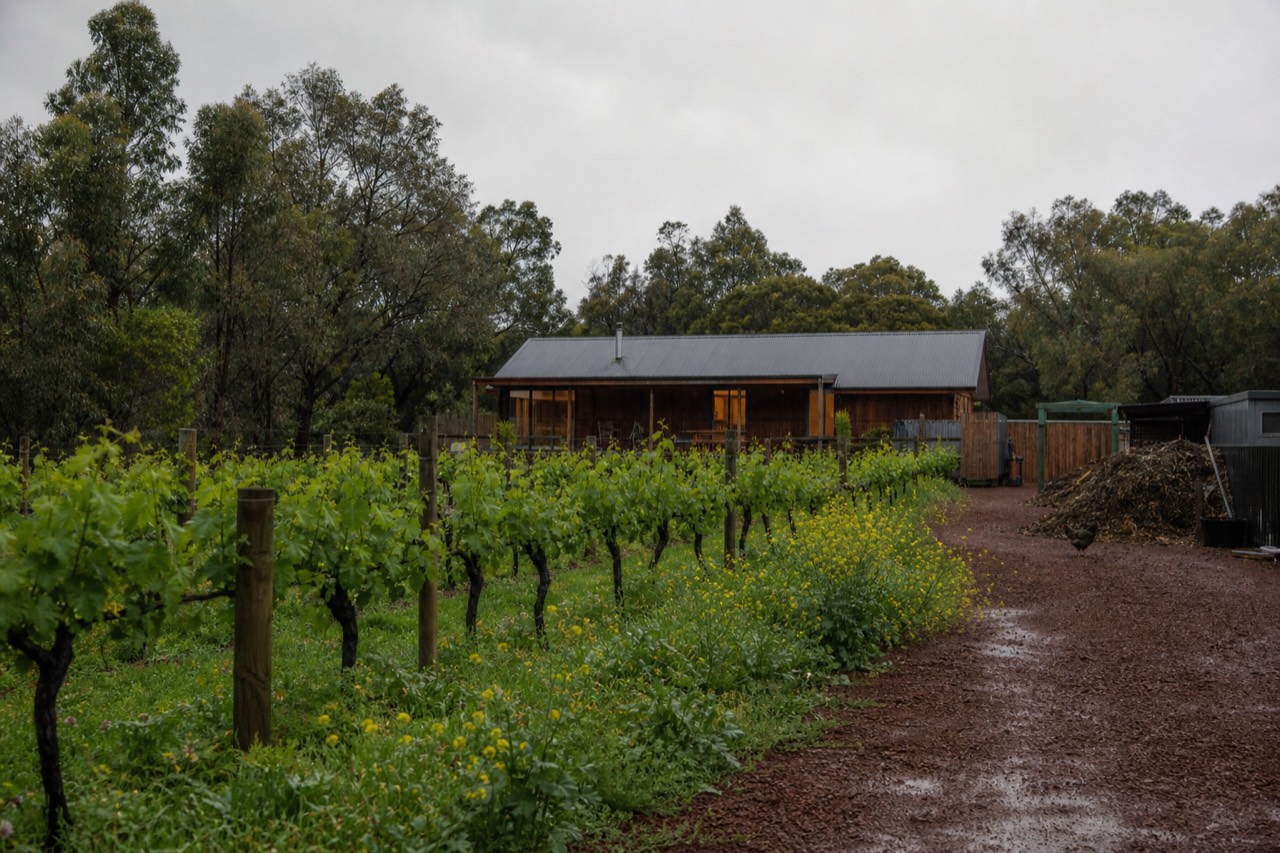
Margaret River's best-known organic winery is Cullen, a certified biodynamic and carbon-neutral estate. A wider tier of boutique, family and small-batch cellar doors farm organically or with low-intervention methods, many in Wilyabrup and the cooler south. They are smaller, quieter and reward a slow day off the flagship trail.
There is a different rhythm at the small cellar doors. No queue, no clipboard, often the person pouring is the one who pruned the vines. Margaret River's reputation rests on a handful of famous estates, but a whole tier of organic, biodynamic and boutique makers sits behind them, quieter and more personal, and for a lot of returning visitors it is the better half of the region. The wine can be just as serious. The experience is simply closer to the ground.
This guide sorts out what "organic" actually means here, points to the certified biodynamic benchmark, and picks out the boutique and family cellar doors that reward a detour off the main trail. It also maps where the small makers sit and which day tours reach them, because a boutique day is a different animal from the classic flagship loop. Every claim below is grounded, and where a specific certification cannot be confirmed, the guide says so rather than inventing one.
Which Margaret River Wineries Are Organic or Biodynamic?
Cullen is the region's best-known organic winery: a certified biodynamic and carbon-neutral estate in Wilyabrup that farms on a lunar calendar with its own kitchen garden. Beyond it, a growing tier of boutique, family and small-batch producers farm organically or use low-intervention methods, though certifications vary. Check each estate's own status, since "natural" and "organic" are not the same thing.
The honest starting point is that certified-organic status is less common than the marketing sometimes suggests, and the terms get used loosely. Cullen is the clear, verifiable anchor: it describes itself as biodynamic and carbon neutral and has done for years. Around it sits a wider group of makers moving toward organic, biodynamic or minimal-intervention farming, and the Margaret River Wine Association is the place to confirm who holds what certification, because the picture keeps shifting.
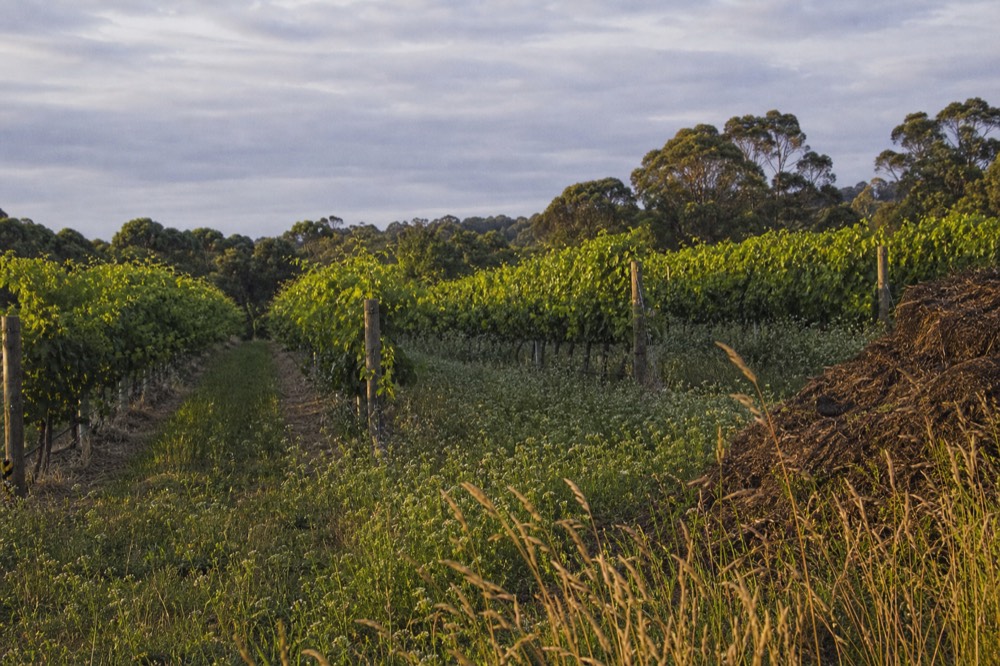
The reason to care about the distinction is practical, not ideological. A certified-organic or biodynamic estate has made a documented choice about how it farms; a "boutique" or "family" label is about scale, not method. Plenty of small makers here farm thoughtfully without certification, and plenty are worth visiting for the wine alone. This guide keeps the two ideas separate so you can pick a day around whichever matters to you, and the ranked cellar-door shortlist covers the flagship names that anchor the rest.
Organic, Biodynamic or Low-Intervention: What the Terms Mean
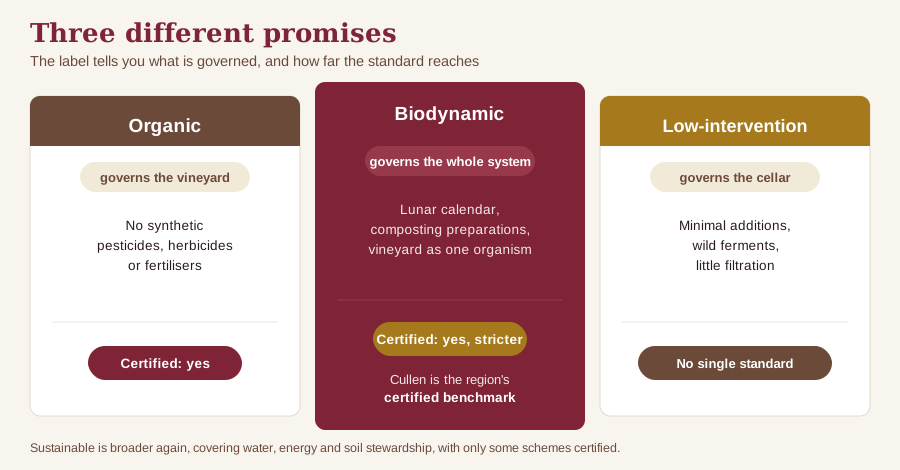
Organic farming skips synthetic pesticides, herbicides and fertilisers. Biodynamic goes further, treating the vineyard as a single organism and working to a lunar calendar with specific preparations. Low-intervention, or "natural," usually describes the winemaking rather than the farming: minimal additions, wild ferments, little or no filtration. A wine can be one, two or all three, and the labels are not interchangeable.
These words get thrown around at the bench, so it helps to hold them apart. Organic is about the ground: no synthetic chemicals in the vineyard. Biodynamic is a stricter, whole-system approach that adds composting preparations and a planting calendar tied to lunar cycles, which is exactly the method Cullen follows. Low-intervention is a cellar choice about how little is done to the juice on its way to bottle, and a wine can be low-intervention without the vineyard being certified anything.
Knowing the difference saves disappointment. Someone chasing certified-organic wine will be let down by an estate that is merely small; someone after a funky natural wine will not find it at a polished biodynamic flagship. The regional wine information is worth a look before you go if certification matters to you, and a tour guide who works these rooms weekly can steer you to the estates that actually match what you are after.
| Term | What it governs | What it means in practice | Certified? |
|---|---|---|---|
| Organic | The vineyard | No synthetic pesticides, herbicides or fertilisers | Yes, via recognised bodies |
| Biodynamic | The whole system | Lunar calendar, composting preparations, vineyard as one organism | Yes, stricter than organic |
| Low-intervention / natural | The winemaking | Minimal additions, wild ferments, little filtration | No single standard |
| Sustainable | Broad practice | Water, energy and soil stewardship, varies by scheme | Some schemes certify |
Cullen: the Region'S Biodynamic Benchmark
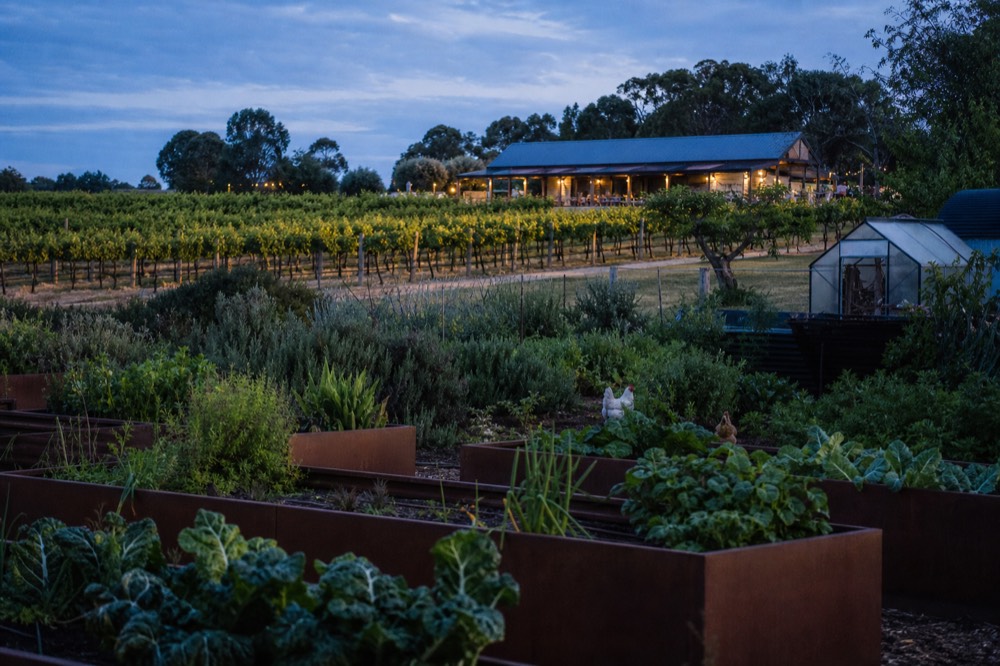
Cullen, in Wilyabrup, is the region's certified biodynamic and carbon-neutral estate, and one of its founding names from the early 1970s. It works the vineyard on a lunar calendar, composts its own preparations, and runs a restaurant off an on-site kitchen garden. It is the clearest place to see what biodynamic farming looks like in practice, and the wines are benchmark, not novelty.
Cullen matters because it proves the method at the top level. This is not a fringe producer selling a story; it is one of the estates that built the region's reputation, still turning out structured Cabernet and elegant whites while farming to a strict biodynamic standard. The estate's own account of its carbon-neutral, biodynamic practice lays out the detail, and the kitchen garden feeding the restaurant closes the loop between how the place farms and how it feeds you.
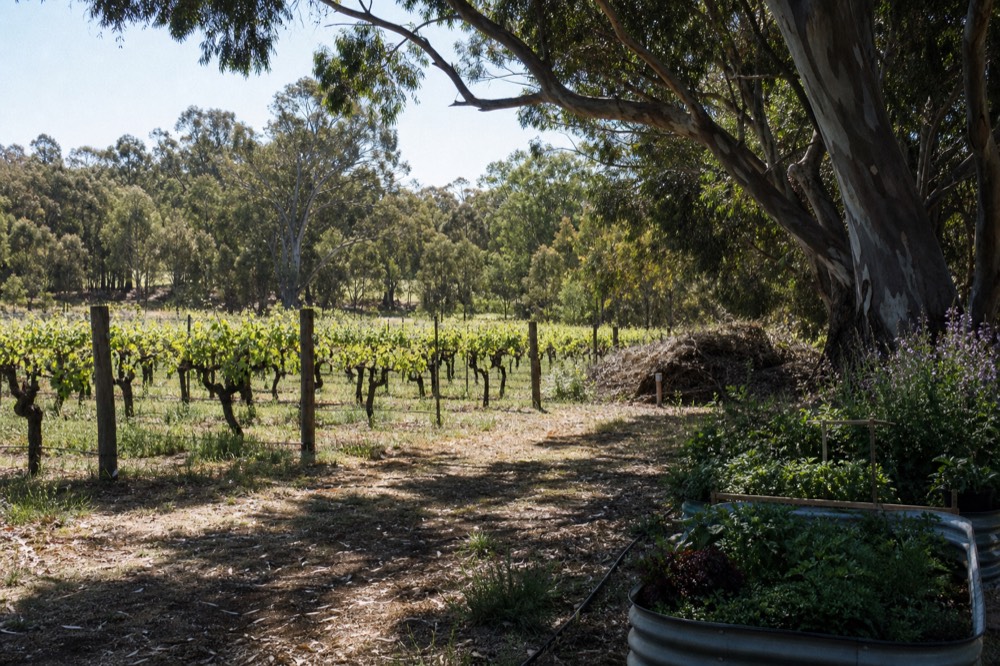
For a visitor, Cullen is also a lesson in why biodynamic estates suit a slower day. The tasting is more considered, the garden is worth a wander, and the food is grown a few steps from the plate. That is not a bench-and-go experience, which is part of why a boutique or food-led day fits it better than a race through eight flagships. The garden-to-plate side of the region covers the dining angle in full; here the point is that the farming and the food are one story.
The Boutique and Family Cellar Doors Worth the Detour
Beyond Cullen sits a wide tier of boutique and family estates, many in Wilyabrup and the cooler south, that most first-timers drive straight past. They are smaller, quieter and more personal, often with the grower or family behind the bench. Some farm organically or with low-intervention methods; all reward the traveller who wants the makers rather than the marquee names.
This is the heart of a boutique day, and it is deliberately harder to pin to a fixed list, because the appeal is the discovery. The small makers change, new cellar doors open, and the good ones are often found by a guide who knows which grower is pouring something special this season. Recent additions bear that out: a wine bar from McHenry Hohnen has opened in the Witchcliffe precinct south of the town, and a handful of new small cellar doors have appeared across the central clusters in the last year.
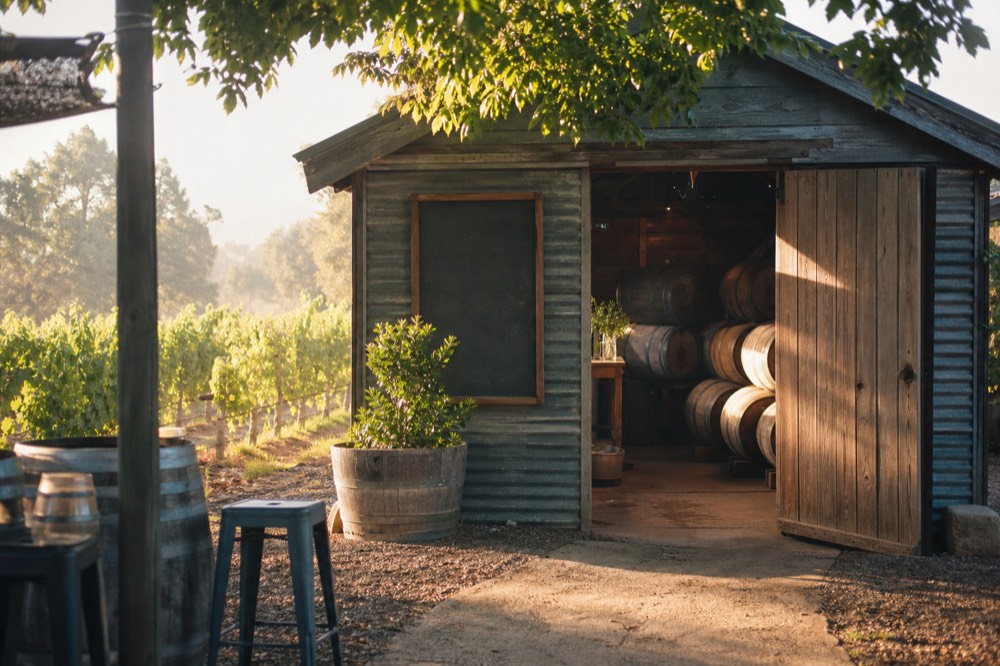
The trade-off with boutique makers is that they are spread out and easy to miss. A grower's cellar door might open only a few days a week, or by appointment, and it rarely announces itself from the road. That is exactly the situation where a guided day pays off, because the operator knows who is open, who is pouring well, and how to slot two or three of them into a route without you touching a map. A day built to pair boutique tastings with a farm lunch and produce stops is the natural format for this.
| Cellar-door type | What you get | Where they cluster | Best for |
|---|---|---|---|
| Certified biodynamic | Documented method, benchmark wines | Wilyabrup (Cullen) | Seeing the farming firsthand |
| Boutique family estate | Grower behind the bench, small range | Wilyabrup, central | A personal, unhurried tasting |
| Small-batch / low-intervention | Wild ferments, limited bottlings | Scattered, some south | Adventurous drinkers |
| New and appointment-only | Just-opened rooms, growers' projects | Central and Witchcliffe | Return visitors chasing what's new |
What Makes a Boutique Day Different from the Classic Circuit
A boutique day trades the marquee estates for smaller makers, swaps polished tasting rooms for sheds and garden benches, and slows the pace so you linger rather than tick boxes. It often includes a guided blind tasting to strip away the labels, and it suits return visitors who have already done the flagships and want the people behind the wine.
The difference is real, not just marketing. A classic day is built to reach the famous names efficiently: Vasse Felix, Leeuwin, Xanadu, in and out, a lunch, home. A boutique day is built to slow down, to spend longer at fewer, smaller rooms, and to find the wines you cannot buy in a city bottle shop. Opening with a blind tasting is a common boutique trick, because it forces you to judge the wine before you judge the name.
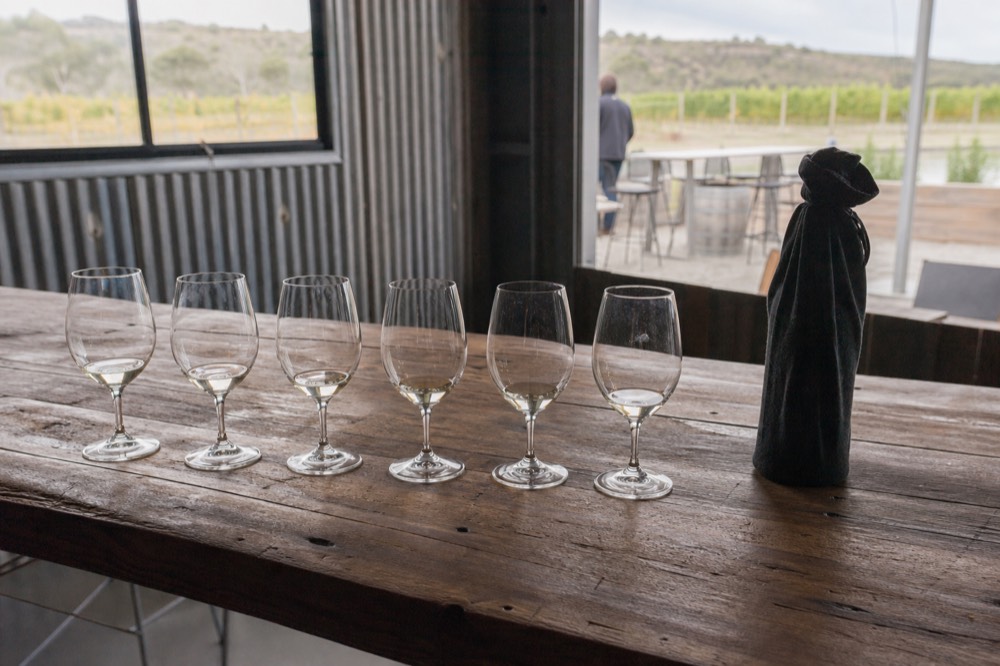
That format suits a specific traveller. If it is your first day in the region, the flagships are the sensible pick, and the best-known cellar doors to tour around is the right starting point. If you have already done them, a boutique day is the upgrade: quieter rooms, personal pours, and the makers themselves. A six-hour boutique day that includes a guided blind tasting and works through smaller cellar doors with lunch included is exactly this experience, kept small and off the big-name trail.
| Classic flagship day | Boutique / organic day | |
|---|---|---|
| The cellar doors | Marquee estates, famous names | Small makers, family and boutique |
| The rooms | Polished tasting rooms, restaurants | Sheds, garden benches, appointment-only |
| The pace | Efficient, three to six doors | Slower, fewer, longer stops |
| The opener | Straight to a flight | Often a blind tasting |
| Best for | First-timers | Return visitors, the curious |
Where the Small Makers Sit, and What a Tasting Costs
Boutique and organic makers cluster in Wilyabrup and scatter through the cooler south toward Karridale, off the main roads on connector lanes. A tasting at a small cellar door typically costs A$10 to A$20, usually waived on purchase, and some open only a few days a week or by appointment. Booking ahead or going with a guide who knows the openings saves a wasted drive.
The geography is the catch. The small makers do not sit in a neat cluster; they hang off the connector roads between Caves Road and Bussell Highway, and a few sit down toward the cool southern frontier where vineyards thin out. Reaching three of them on your own means real navigation on unlit rural roads, which ties straight back to the drink-driving question. Western Australia's full-licence limit is 0.05 and drops to zero for learner and provisional drivers, so a tasting-heavy boutique day and a self-drive plan do not sit together.
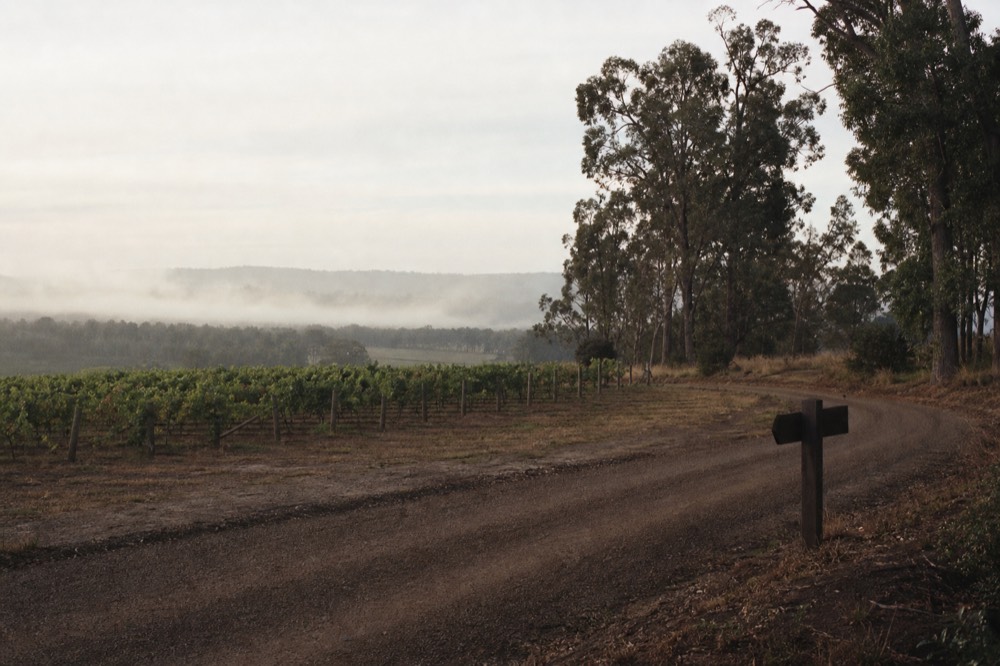
The other catch is opening hours. A grower's cellar door might trade Thursday to Sunday only, or open by appointment, and a locked gate at a farm you drove twenty minutes to reach sours a day fast. This is where local knowledge earns its keep. A boutique day that includes a hands-on element, like a wine-blending session, adds another layer for people who want to understand the making, not just the tasting, and pairs the small makers with a brewery and a chocolate stop across the day.
| Experience | Typical fee | Opening | Notes |
|---|---|---|---|
| Small cellar-door flight | A$10 to A$20 | Often part-week or by appointment | Usually waived on purchase |
| Biodynamic estate tasting | A$15 to A$30+ | Most days, longer in season | Garden worth a wander |
| Boutique tour, lunch included | Tour price covers tastings | Operator handles the openings | 3 to 5 small doors, about 6 to 7 hours |
| Hands-on blending session | Part of a tour day | Booked ahead | Understand the making, not just the pour |
Which Tours Reach the Boutique and Organic Makers?
Boutique-focused day tours are built to reach the small makers a classic loop skips. They keep groups small, open with a blind tasting or a hands-on session, and thread three or four lesser-known cellar doors with a farm or produce lunch. A family-friendly boutique day adds an olive-farm meal and farm animals, and remains one of the most-reviewed formats in the region.
Here is the honest mapping. If you want the organic and boutique end, you want a day designed around small producers, not a flagship loop with one boutique stop bolted on. A boutique day keeps the headcount low so each grower can actually pour and talk, includes a guided blind tasting to reset your expectations, and builds in a relaxed lunch rather than a formal dining room. A family-friendly version pairs the boutique tastings with an olive-farm lunch and animals, which is why it draws so many reviews.
Group size is the whole point at this end. Shared minibus boutique days usually cap around 8 to 13, and smaller premium or private days run tighter still, which matters when the room is a shed with space for a dozen. Pickups run from Margaret River town, Cowaramup, Dunsborough or Busselton, so where you stay shapes which boutique days are practical. For the wider view of the lesser-known makers, the region's hidden-gem cellar doors go deeper on the names worth seeking out.
| Tour | Boutique focus | Extra element | Duration |
|---|---|---|---|
| Hidden Gems of Margaret River | Boutique wineries, farm lunch | Olive-farm meal, farm animals | 7 hours |
| Waves of Wine Boutique | Smaller makers, off the trail | Opens with a blind tasting | 6 hours |
| Beer and Wine Adventure | Boutique cellar doors, brewery | Hands-on wine-blending session | 6 hours |
| Tannin Road Winery Tour | Award-winning doors, small group | Brewery lunch | 6.5 hours |
For these boutique days without a listed number, the current price sits on the live listing rather than in a table like this, so check it there before you book.
How to Plan a Boutique and Organic Day
Pick a theme, whether that is certified biodynamic estates or a boutique-maker crawl, keep the group small, and let a driver who knows the openings connect three or four rooms with a farm lunch. Go slow, ask the grower questions, and treat the day as a chance to buy what you cannot find in a city. Handing over the driving is what lets everyone taste properly.
The mistake at this end is treating a boutique day like a flagship day, racing between eight small rooms and missing the point. The whole value of the organic and boutique makers is the time you spend with them, so plan fewer stops and stay longer. Autumn, from March to May, is the best window: harvest energy, mild weather, thinner crowds, and growers with time to talk. The best time to visit the region covers the seasonal detail.
A boutique and organic day is not for everyone, and it helps to be honest about who it suits before you book. The table below sorts it out. If you land in the "skip it" column, the classic full-day loop through the flagship estates is the better starting point, and you can always come back for the small makers on a second trip.
| A boutique / organic day suits | It suits less well |
|---|---|
| Return visitors who have done the flagships | First-timers wanting the famous names |
| Drinkers curious about method and farming | People after a quick, polished tasting |
| Anyone chasing wines they cannot buy in a city | Groups who want a formal dining-room lunch |
| Slow-day travellers happy with fewer stops | Tight schedules trying to see everything |
| Small groups comfortable in a shed or garden | Large groups needing seated capacity |
Whichever theme you choose, a planned boutique day beats a wandered one, because the small makers are precisely the ones you cannot reliably find on your own. That is the plain reason the region's guided wine days exist, and why a driver who works these rooms weekly will open doors you would drive straight past. When you are ready to lock a date, a boutique day pairing small cellar doors with a farm lunch is the easy first pick.
Common Questions
Which Margaret River winery is organic or biodynamic?
Cullen, in Wilyabrup, is the region's best-known certified biodynamic and carbon-neutral estate, farming on a lunar calendar with its own kitchen garden. A wider tier of boutique and family producers farm organically or with low-intervention methods, but certifications vary, so check each estate's own status rather than assuming small means certified.
What is the difference between organic and biodynamic wine?
Organic farming skips synthetic pesticides, herbicides and fertilisers in the vineyard. Biodynamic goes further, treating the vineyard as a single organism and working to a lunar calendar with composting preparations. Low-intervention, or natural, describes the winemaking instead: minimal additions and wild ferments. A wine can be one, two or all three.
Are boutique wineries worth visiting over the famous names?
For return visitors, often yes. Boutique and family cellar doors are smaller, quieter and more personal, frequently with the grower behind the bench and wines you cannot buy in a city. First-timers usually do the flagships first, then discover the boutique makers on a later, slower day off the main trail.
How do you find the small cellar doors in Margaret River?
They are scattered on connector roads, often open only part of the week or by appointment, and rarely obvious from the road. Local knowledge helps, which is why a guided boutique day pays off: the operator knows who is open and pouring well, and can thread three or four small rooms into a route without you touching a map.
Do boutique wine tours include lunch?
Most do. Boutique days typically build in a relaxed lunch, and family-friendly versions pair the tastings with an olive-farm meal and farm animals. Some include a hands-on element like a wine-blending session. Check what each tour covers before booking, and confirm pickup points against where you are staying.
Where do the organic and boutique wineries cluster?
Many sit in Wilyabrup, alongside the flagship estates, and a scatter run down toward the cooler south near Karridale and Witchcliffe. They hang off the connector roads between Caves Road and Bussell Highway rather than gathering in one place, so reaching several in a day means real driving on rural roads or handing the route to a guide.
Choose Your Wine Experience
Have your travel date in mind? Walk organic vineyards, taste from the barrel and explore Voyager’s underground cellar. Check your date before arranging the rest of your day.
Discover VoyagerTwo-hour private experience at Voyager. Paired snacks included; restaurant lunch is extra and subject to availability. Arrange your own transport.
Choose a date to see Viator’s scheduled departures. Final availability and price are confirmed on Viator.
Tailor This Choice And Compare Options
Initial editorial choice. Adjust these options to compare the listed experiences; confirm your exact pickup and suitability when booking.
Savour Voyager · 1 hours. Explore Voyager’s organic wines in a tasting tailored to your palate, with paired snacks. One-hour private estate tasting. Meet at Voyager; transport and a restaurant lunch are not included.
Secret Delights · 5.5 hours. Coffee roasting, two family wineries, Berry Farm lunch and a forest stop. Margaret River town pickup, around 10 am. Lunch drinks other than water cost extra. Child seats required under seven.