What Are the Five Founding Wineries of Margaret River?
Vasse Felix, Moss Wood, Cullen, Cape Mentelle and Leeuwin Estate are the region's founding wineries. Their story, and how to visit each one today.
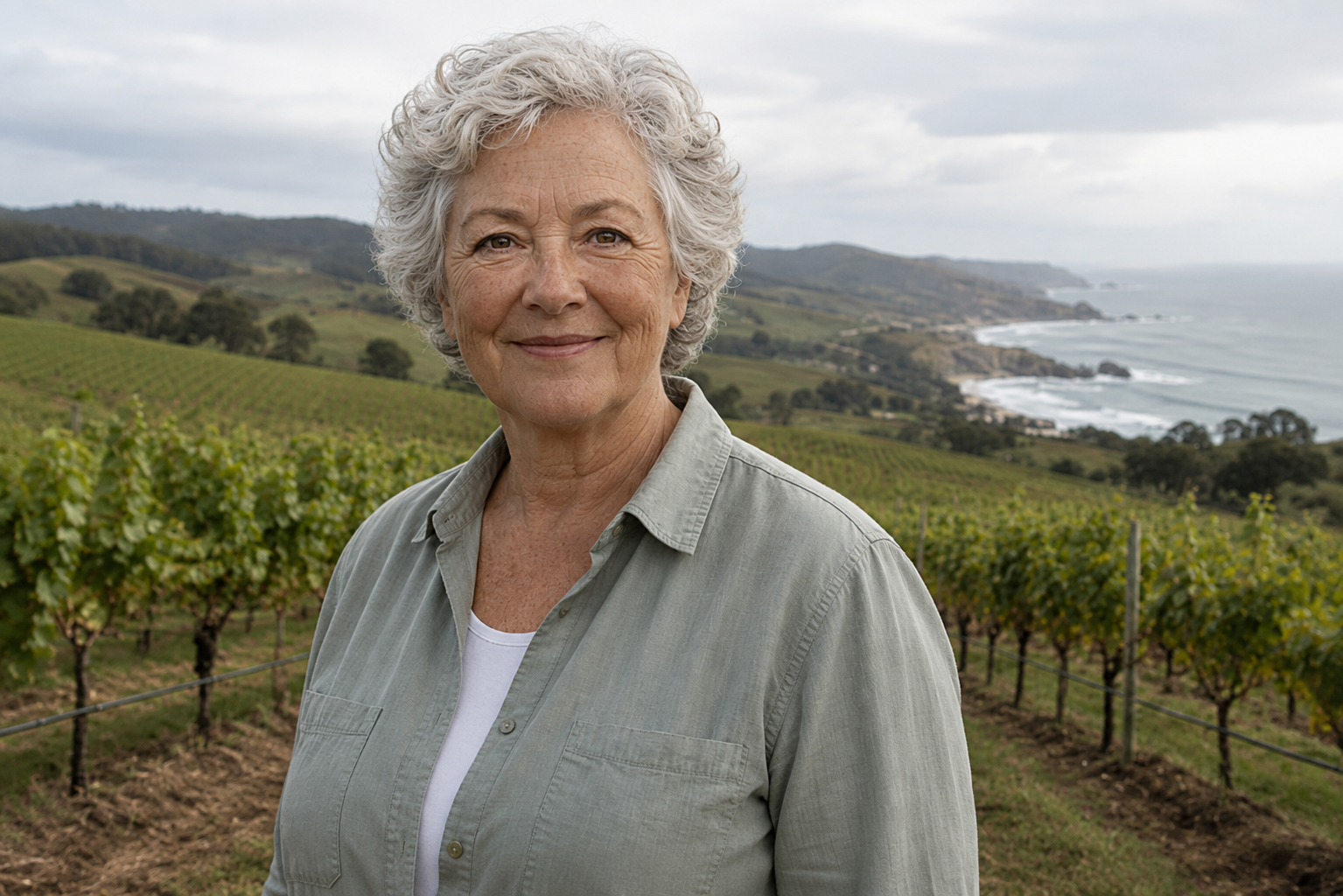 By Helen Walsh, Margaret River wine tour specialist, guiding the region since 2012
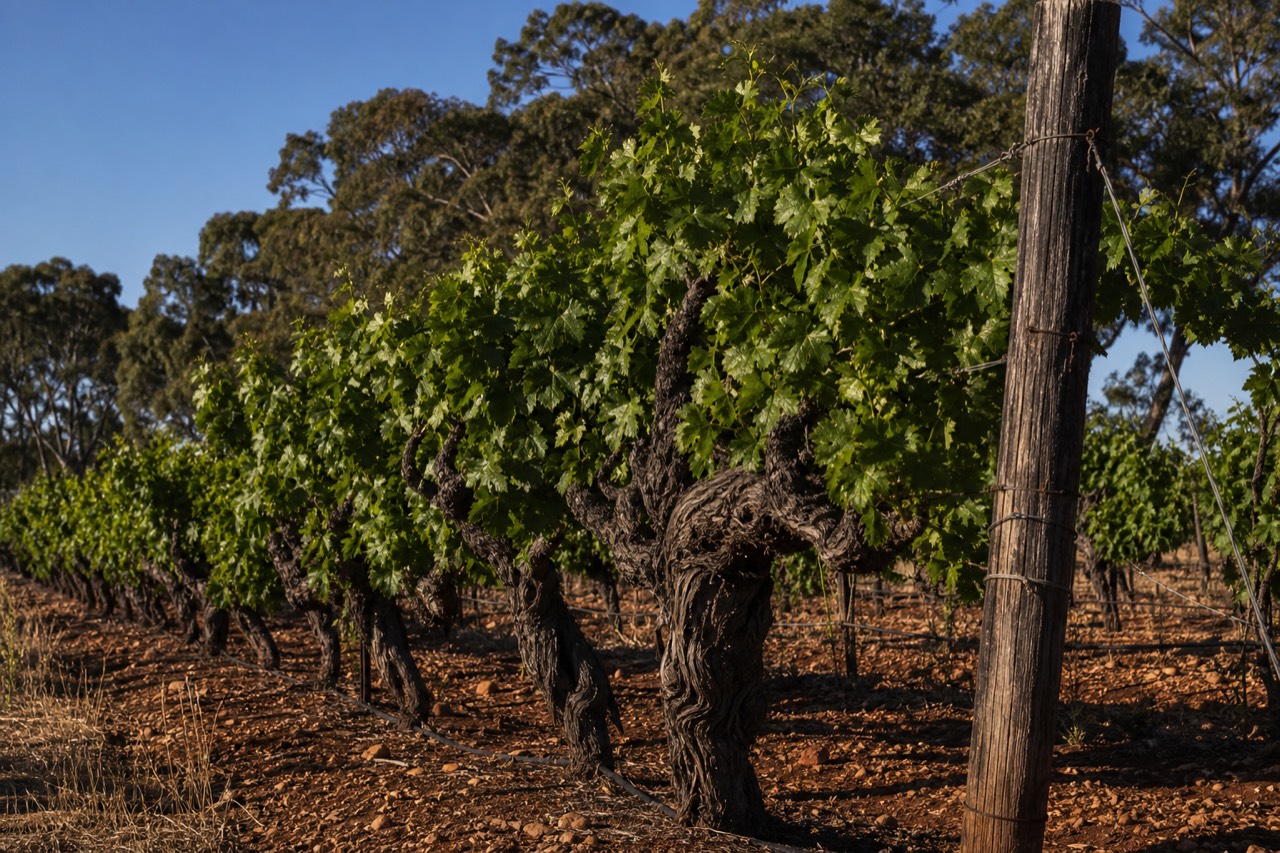
Sixty years ago there were no vineyards here at all, just dairy paddocks and karri forest running down to the coast. The whole Margaret River wine story fits inside a single human lifetime, and it traces back to a handful of estates planted within a few years of each other. Five names come up again and again when locals talk about who started it.
What Are the Five Founding Wineries of Margaret River?
The five founding wineries of Margaret River are Vasse Felix, Moss Wood, Cullen, Cape Mentelle and Leeuwin Estate. Vasse Felix planted the first vines in 1967, and Moss Wood followed in 1969, Cape Mentelle in 1970, Cullen in 1971 and Leeuwin Estate in 1974. Together they proved the region could make world-class wine and set the template every later estate built on.
These are the estates that took a gamble on unproven ground. In the 1960s no one knew whether the South West of Western Australia could grow serious wine grapes at all, and the answer turned out to be a resounding yes. Within two decades the region was winning international attention, and today it makes more than a fifth of Australia's premium wine.
The founding order matters to purists. Vasse Felix came first, in 1967, and holds the title of the region's original vineyard without dispute. The exact planting years of the others get muddled in the retelling, so the honest framing is simply that Moss Wood began in 1969, Cape Mentelle in 1970, Cullen in 1971 and Leeuwin Estate in 1974.
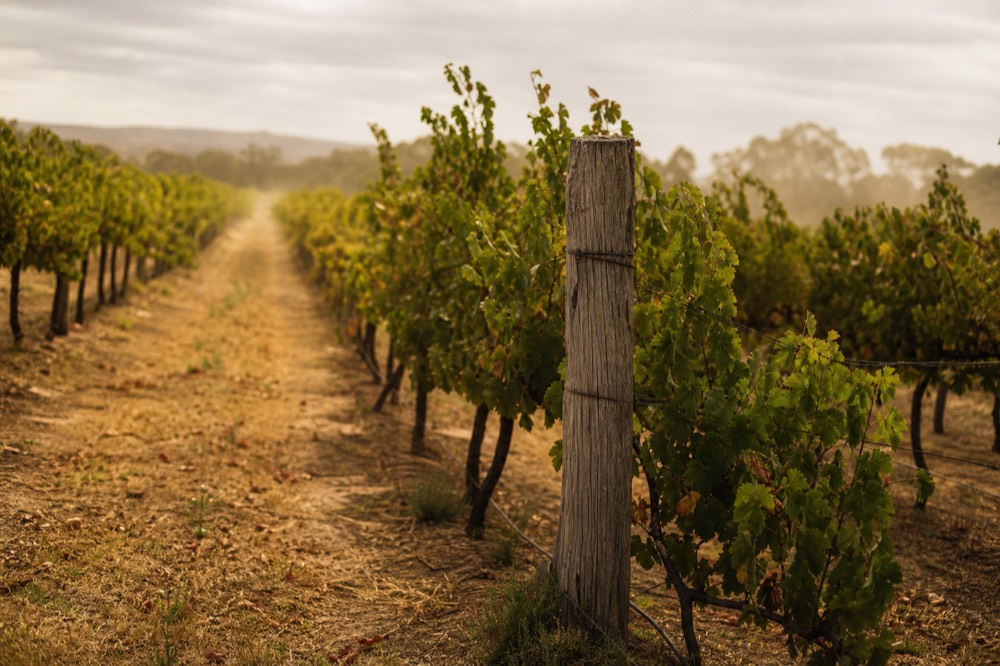
Visiting the founding estates is still the backbone of a good tasting day, since most keep open cellar doors within a short drive of each other. A smaller-group premium day is built for exactly this kind of route, pacing the stops so you can linger at the historic rooms rather than rush between them.
How Did the Margaret River Wine Industry Begin?
The Margaret River wine industry began in 1967, when the first vines were planted at Vasse Felix. Encouraged by research showing the region's Mediterranean climate suited grapes, a small group of pioneers followed through the 1970s. Dr John Gladstones later mapped the region's informal districts in 1999, work still referenced today.
The trigger was climate. The South West sits in a maritime, Mediterranean pocket often compared to Bordeaux, with long, gentle ripening under sea breezes and the Leeuwin Current. Once research suggested the conditions were right, the first growers moved fast, and Vasse Felix went in the ground in 1967.
What followed was less a rush than a steady trickle of committed families. Cullen, planted in the early 1970s and now certified biodynamic, is a good example of the type: family-run, quality-obsessed, and still going under the same name half a century on. The five below are the estates most often credited with starting it all.
| Estate | Established | Note |
|---|---|---|
| Vasse Felix | 1967 | The first vineyard of the modern region |
| Moss Wood | 1969 | Among the first to follow |
| Cullen | 1971 | Family-run, later certified biodynamic |
| Cape Mentelle | 1970 | An estate of the founding wave |
| Leeuwin Estate | 1974 | An estate of the founding wave |
For a first visit that leans on this history, a value full-day loop covers the ground without fuss and usually threads at least one founding cellar door into the route. A full nine-hour cellar-door day with lunch included is the straightforward way to see the classic names, and it hands off the driving between them.
Can You Still Visit the Founding Wineries?
Yes. Most of the founding wineries still run public cellar doors, and several sit within 10 to 25 minutes of each other in the Wilyabrup area. Because they are spread out and not walkable, and Western Australia's 0.05 blood-alcohol limit rules out self-driving between tastings, a guided small-group day is the usual way to visit them.
The estates cluster loosely in the region's north, especially around Wilyabrup, the informal district nicknamed the Cabernet capital for the structured reds its ironstone soils produce. Seeing how the subregions are laid out helps make sense of why the founding names sit where they do, and why a car is the only practical way to link them, unless someone else is driving.
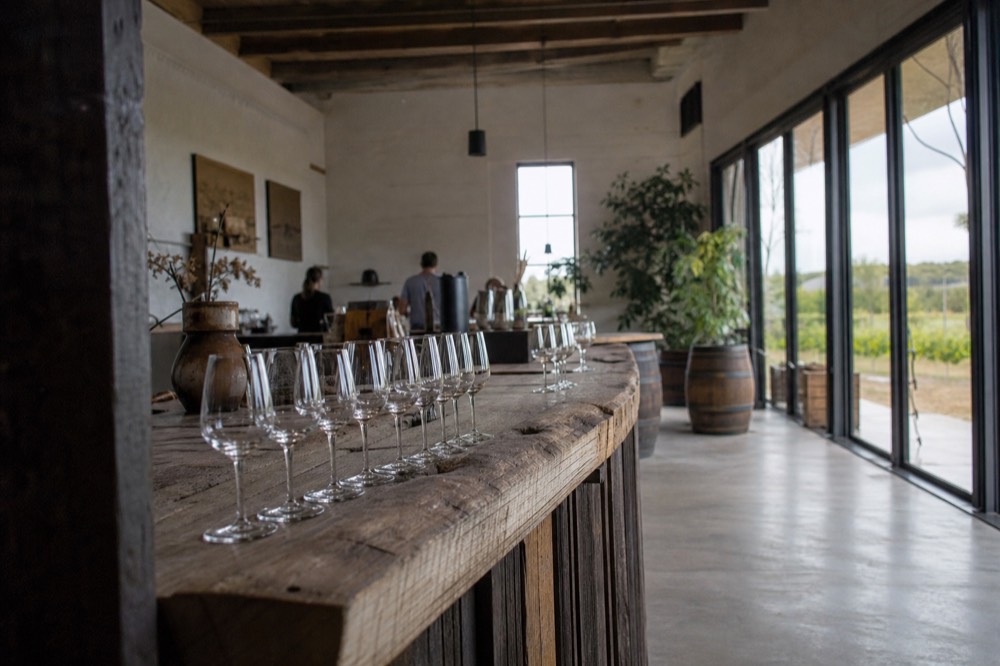
Getting here without a car of your own is easier than it sounds. The whole region as a long day trip from Perth threads a founding-winery tasting and the Wilyabrup coast into a single day, driving handled both ways, which suits travellers based in the city who do not want to commit to an overnight. To pick out which historic rooms to prioritise, which cellar doors are worth the drive sets out the shortlist, and the oldest of them gets its own look at the estate that started it all in 1967.
Common Questions
Which is the oldest of the founding wineries?
Vasse Felix, planted in 1967, is the oldest and the region's original vineyard. The other four founding estates, Moss Wood, Cullen, Cape Mentelle and Leeuwin Estate, followed between 1969 and 1974.
Are the founding wineries all in the same area?
Not quite, but several cluster in the north around Wilyabrup, the informal district known for structured Cabernet. They sit roughly 10 to 25 minutes apart by road, which is why most visitors link them on a guided day rather than on foot.
Can I taste at all five on one tour?
Most full-day tours visit three to six producers, so a single day rarely covers all five founding estates. A premium small-group day gives you the best chance at the historic rooms, and cellar doors do change their tour partnerships, so check the current stops on the live listing.
Choose Your Wine Experience
Have your travel date in mind? Explore Leeuwin’s Art Gallery, estate history and five wines paired with local delicacies. Check your date before arranging the rest of your day.
Leeuwin ImmersionMeet at Leeuwin Estate; no transport included. Morning tea and tasting flight included. Minimum age 18.
Choose a date to see Viator’s scheduled departures. Final availability and price are confirmed on Viator.
Tailor This Choice And Compare Options
Initial editorial choice. Adjust these options to compare the listed experiences; confirm your exact pickup and suitability when booking.
Leeuwin Wine And Food Experience · 3.5 hours. Enjoy Leeuwin’s art, a tutored wine flight and a three-course restaurant lunch. Meet at Leeuwin Estate; arrange your own transport. Allow three and a half hours. Minimum age 18.
Your Own Winery And Brewery Route · 6 hours. Choose your own venues with a private vehicle and driver for a group of three to eight. Six-hour charter for three to eight people. Meals, drinks and tasting fees are extra. Agree the route and pickup with the operator before booking.