What To Wear And Bring On A Margaret River Wine Tour
Updated November 3, 2026
Seasonal clothing, footwear and packing advice for a Margaret River wine tour, with month-by-month temperatures, cellar door etiquette and what to leave in the car.
 By Helen Walsh, Margaret River wine tour specialist, guiding the region since 2012
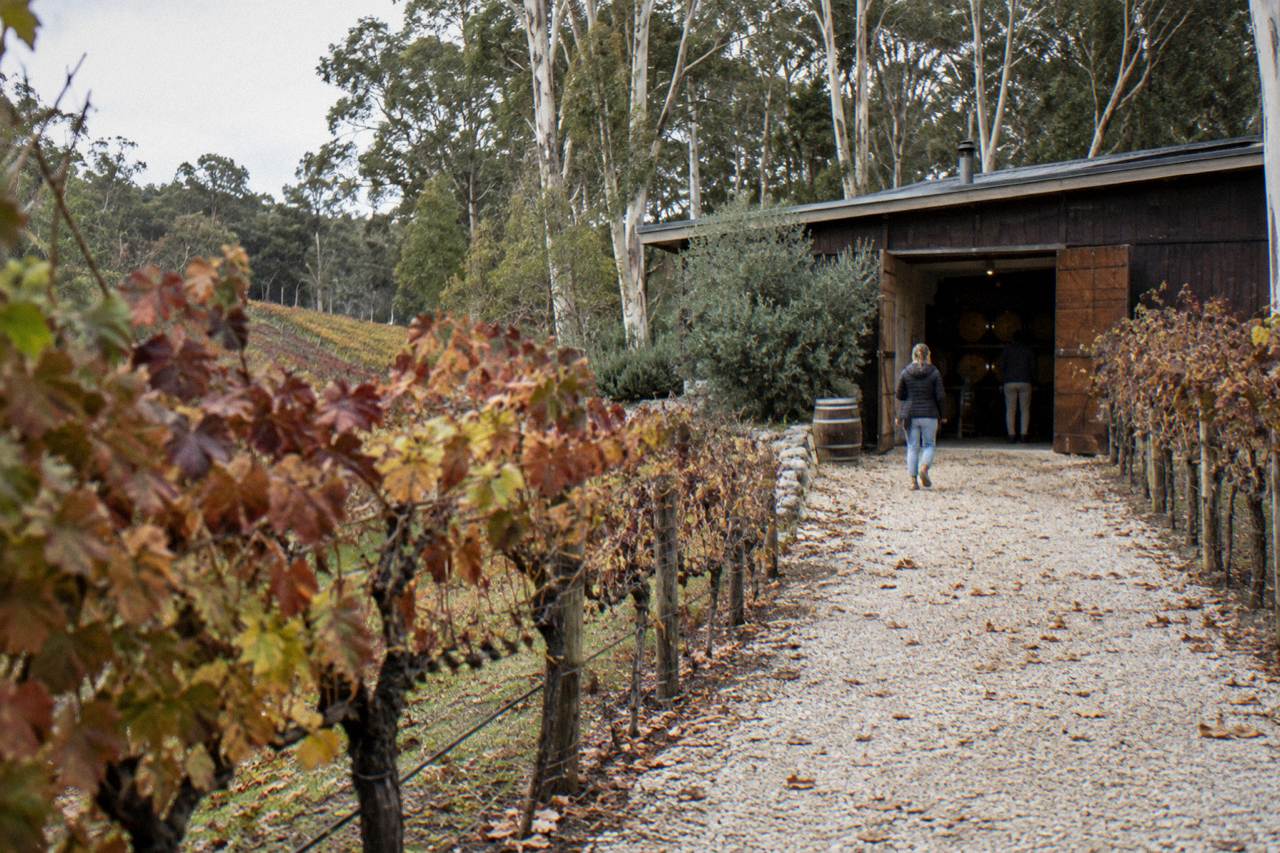
The short answer for most of the year: closed walking shoes, layered clothing you can strip back by lunchtime, and a small day bag. Margaret River's cellar doors sit on gravel paths, lawns and timber verandas, and the region can move from a 26-degree tasting-room afternoon to a 14-degree evening in a few hours. Tours like the-full-bottle run around 7 hours with pickup, tastings and lunch, so you are out for most of the day and dressing for one moment is the common mistake.
Choosing a format matters as much as packing for one, and the comparison in The Best Wine Tours In Margaret River, Compared Format By Format breaks down what each style of day involves, from boutique small-group loops to brewery hybrids. Whatever the format, the wardrobe logic below holds.
What To Wear And Bring On A Margaret River Wine Tour
Wear closed shoes with grip, bring three light layers you can shed or add through the day, pack sun protection, and carry a small bag for purchases. Temperatures swing by roughly 10 degrees between mid-afternoon and evening in every season, so dress for change rather than a single forecast. Summer days reach highs around 29 to 30 degrees while evenings drop to the mid-teens; winter days sit near 16 to 17 degrees with lows around 8 to 9. Every tour day involves standing at cellar bars, walking gravel driveways and, often, eating lunch outdoors, so comfort beats formality at every point.
The region's layout drives most of the packing list. Cellar doors are spread along roughly 110 km of road between Yallingup and Augusta, so a tour day means repeated short walks from vehicle to door, usually on surfaces that punish thin sandals. Pickups commonly start from Margaret River town, Busselton and Dunsborough, as Tannin Road's operator page explains, and the first pickup can land well before the first tasting, which is exactly when the morning is coldest.
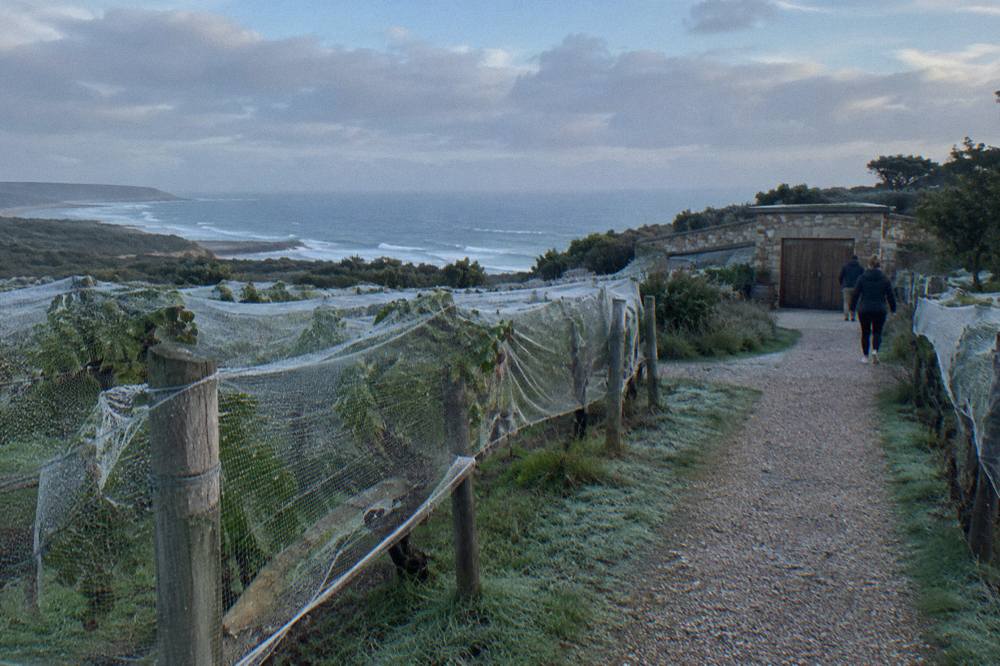
A worked example helps. On a March day, reported averages put the high near 25.6 degrees and the low near 13.3, with about four rain days across the month. A t-shirt under a light jacket covers the whole arc: warm at the 11 am tasting, comfortable through a vineyard lunch, and zipped up by the time the last pour is poured at 4 pm. The same logic scales up for July, when means of 16.4 and 8.2 degrees come with around 19 rain days, and a waterproof shell earns its place over a jumper.
| Season | Typical high / low (C) | What the day feels like | Core items |
|---|---|---|---|
| Summer (Dec to Feb) | ~29-30 / ~15-16 | Hot midday, cool evening breeze | Breathable shirt, hat, sunglasses, light layer |
| Autumn (Mar to May) | ~20-27 / ~11-15 | Mild, calm, occasional late rain | T-shirt plus jacket, closed shoes |
| Winter (Jun to Aug) | ~16-18 / ~8-9 | Cool and often wet | Waterproof jacket, jumper, warm layer |
| Spring (Sep to Nov) | ~17-24 / ~9-12 | Warming, breezy, changeable | Layers, windproof outer layer |
What Shoes Should You Wear On A Margaret River Wine Tour?
Wear closed, flat shoes with decent grip, such as sneakers, loafers or ankle boots, which work year-round in Margaret River. Footwear matters more than any other clothing choice on a wine tour, because cellar door parking areas, paths and lawns are gravel, grass and dirt rather than paved surfaces. Heels sink, thongs slide, and both turn a relaxed walk between the bus and the tasting bar into an awkward shuffle. Tours visit three to six properties in a day, so the same pair of shoes carries you across every surface.
Several itineraries add stops beyond wineries, and those change the footwear maths again. Brewery lawns, chocolate factory stops and caves involve uneven ground; the BBMLIVE Discovery Tour, a premium 4WD experience capped at six guests, spends six hours on rural tracks where a solid sole is simply more comfortable. Private options like McLeod Tours' wine and dine day lean formal, at vineyard restaurants, and smart-casual shoes fit that setting better than trainers.
A practical rule: dress shoes you can walk two kilometres in, or walking shoes you would not mind being photographed in. Ankle boots and clean leather sneakers sit in the overlap and cover vineyard lunches, cellar bars and photo stops without a mid-day change. Pack a spare pair only if your day includes a proper hike leg, which most wine tours do not.
One wardrobe note that travels with the shoes question: nothing in the region enforces a dress code at the tasting bar, but shorts and swimwear read as beach-day leftovers rather than wine-country casual. Smart casual is the local default, meaning neat pants or jeans, a shirt or blouse, and the jacket from the table above. Travellers weighing a shorter day can see what an afternoon loop covers in the half-day guide, where the same packing list applies with less of the evening swing.
Is It Cold In Margaret River In Winter?
Yes, by Australian standards winter is genuinely cold: July averages a high of 16.4 and a low of 8.2 degrees, with rain on roughly 19 days across the month, so a warm layer and a real waterproof jacket are not optional extras. May averages sit at 19.7 and 9.8 with about 12 rain days, so the cool season ramps in from late autumn rather than arriving suddenly. Cellar doors respond with fires and indoor tasting rooms, which is why winter touring has its own cosy appeal, covered in depth in Margaret River In Winter.
The trap is not the daytime high; it is the standing around. Tastings run 30 to 60 minutes per winery and much of that is stationary, near open doors, in damp air. A jumper plus a shell jacket beats one thick coat, because heated tasting rooms swing the other way and a heavy layer becomes something to carry. A scarf and a beanie are small enough to live in a day bag and make the last stop of the day far more pleasant.
Rain management deserves specifics. An umbrella works at cellar doors but is useless on brewery lawns or any stop with wind, so a hooded jacket is the better tool. Shoes matter more in winter too, because gravel paths hold puddles and grass carparks turn soft. This is the season where the sneaker-versus-boot decision resolves firmly in favour of boots.
Budget-conscious full days like harvest-full-day run about 9 hours from pickup, priced from A$130 per person, which means dressing for a long arc: warm at the morning pickup, layered through lunch, warm again by the final tasting. Value touring in winter is quiet, and the operators report shorter groups and more time with cellar door staff, though availability always depends on the day.
What Should You Bring In Your Day Bag?
Pack sun protection, a water bottle, and a phone or camera, plus a card or small cash for tasting fees and wine purchases, and include a foldable bag for any bottles you buy. Because you could be carrying everything for nine hours, leave behind anything you would mind hauling around all day. Tasting fees at many cellar doors run roughly A$10 to 20 for a standard flight and are often redeemable against a purchase, and Xanadu's cellar door page, for instance, lists its Vinework tasting at A$15 and Flagship at A$30. Cash is rarely required but a card always is.
| Item | Why it earns its place | Season it matters most |
|---|---|---|
| Water bottle | Tasting days dehydrate faster than people expect | All year, especially summer |
| Hat and sunscreen | Outdoor lunches and lawns, high UV even at 20 degrees | Oct to Apr |
| Card for fees and wine | Tasting fees and bottle purchases at every stop | All year |
| Foldable tote or padded bag | Wine bought at the cellar door travels home better | All year |
| Light rain shell | Rain arrives fast outside summer months | May to Sep |
| Lip balm and sunglasses | Sea breeze and glare at coastal-adjacent vineyards | All year |
Wine purchases are the item people forget. Every stop will happily sell you bottles, and a padded or divided bag protects them in shared vehicle luggage space better than a loose shopping bag. Most guides will store purchases in the vehicle during the day, which is worth asking about at pickup rather than discovering at stop four with three bottles on your lap.
Medication, snacks for the drive legs and a phone battery pack round out the list. Full-day itineraries include lunch, the small-group wine-and-food-lovers day among them, but gaps between stops still exist, and a tour that starts at 10 am and finishes near 5 pm is a long stretch on a light breakfast. Photography needs no special kit; the vineyard rows do the work.
Does The Dress Code Change For Restaurants And Premium Tours?
Vineyard restaurants and premium small-group formats nudge the standard upward from smart casual to genuinely neat, and the practical changes are closed shoes over sandals, a collared or structured top, and a jacket rather than a hoodie for dinner-capable days. Nothing in the region requires formal wear, but lunch venues inside working wineries attract a dressed-up lunch crowd, particularly on weekends and during festival periods.
Premium formats justify the upgrade. Operators such as DBM Drivers, which price private touring from A$450 per group, and other small-group premium tours attract couples and celebration groups, and the guest mix tends to match. The full-day format comparison in our private wine tours for couples and small groups guide covers what those days include, from single-estate deep dives to lunch seatings that benefit from a booking-ahead outfit.
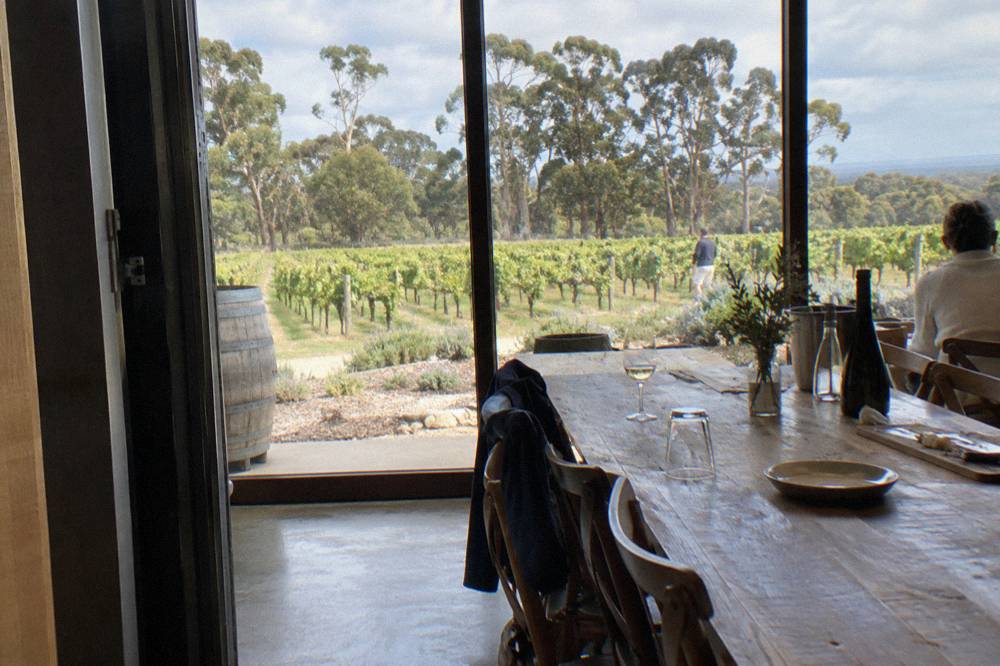
Seasonal events shift the dial further. Pair'd Margaret River Region runs 19 to 22 November 2026, a late-spring festival program of vineyard dinners and chef events where evening temperatures can still dip toward the low teens. Layers solve it: a jacket over the day outfit takes a tasting day into a festival dinner without a hotel detour.
For travellers weighing a full-day classic against splitting the week, the-full-bottle is the natural fit for a dressed-up-but-practical day, rated 4.8 across 265 reviews with lunch included, and the harvest-full-day tour page covers the budget end of the same arc. Same shoes, same layers, same bag; the format changes more than the wardrobe does.
Food-led days deserve one extra note. A nine-hour small-group tour with a long lunch seated at a shared table, which is the wine-and-food-lovers format, rewards clothes you can sit in comfortably for two hours mid-day. Tight waistbands and brand-new shoes are the two most regretted items on any full-day itinerary, and both are avoidable with a five-minute wardrobe check the night before.
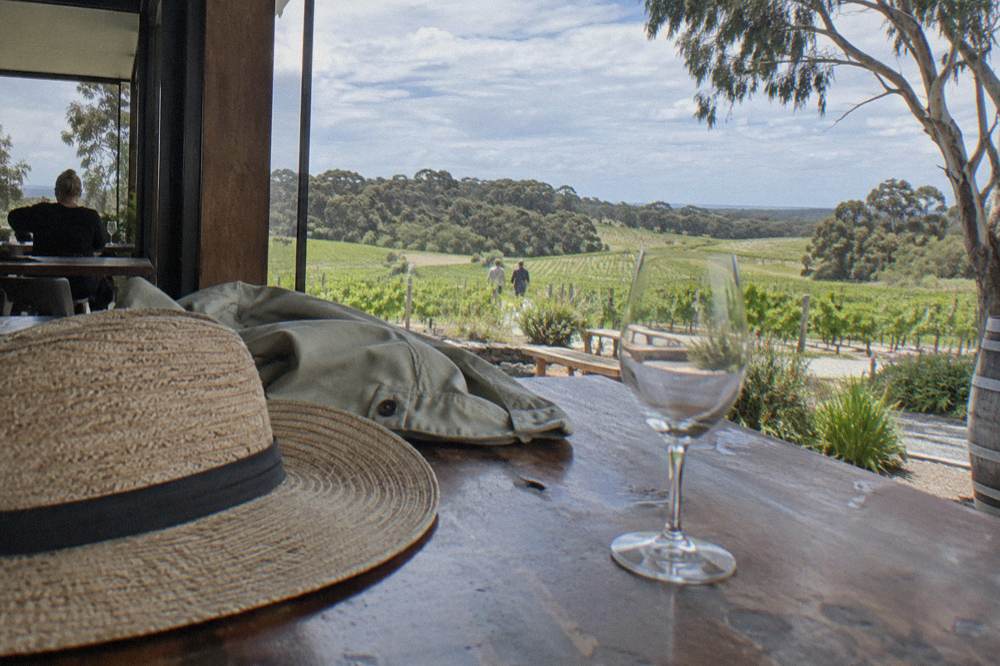
Our broader planning pages, starting with Margaret River Wine Tours, carry the format-by-format detail once the bag is packed. Clothing is the smallest variable in a good tour day; the format, the route and the operator set the ceiling on the experience, and the wardrobe only needs to keep up with them.
Common Questions About Margaret River Wine Tour Packing
What To Wear And Bring On A Margaret River Wine Tour?
Closed walking shoes, layered clothing for a roughly 10-degree day-to-evening swing, sun protection, a card for tasting fees and a foldable bag for wine purchases. Add a waterproof jacket outside the summer months.
What Shoes Should You Wear On A Wine Tour?
Closed, flat shoes with grip: sneakers, loafers or ankle boots. Cellar door paths are gravel, grass and dirt, so heels and thongs are impractical across three to six stops in a day.
Is It Cold In Margaret River In Winter?
Yes. July averages a high of 16.4 and a low of 8.2 degrees with rain on roughly 19 days, so a jumper, waterproof shell and warm layers are needed, even though tasting rooms are heated.
Do You Need To Dress Up For Cellar Doors?
Smart casual is the regional default: neat pants or jeans and a shirt or blouse. Vineyard restaurants and premium small-group tours nudge slightly neater, but no venue requires formal wear.
Should You Bring An Umbrella Or A Rain Jacket?
A hooded rain jacket. Umbrellas work at cellar doors but struggle in wind on brewery lawns and outdoor stops, and a shell layers better through heated tasting rooms.